
A cat who hides at the sight of a carrier is telling you something. For many pet parents, the question of cat grooming at home or clinic is not just about convenience. It is about choosing the setting where a sensitive, independent pet can receive necessary care with the least possible stress.
Cats are skilled self-groomers, but they still need help with brushing, nail maintenance, shedding, mats, and hygiene. The best choice depends on your cat’s coat, temperament, age, health, and the type of grooming needed. Sometimes a quiet session at home is perfect. Other times, a professional groomer or veterinary clinic is the safer route.
Cat Grooming at Home or Clinic: Start With Your Cat
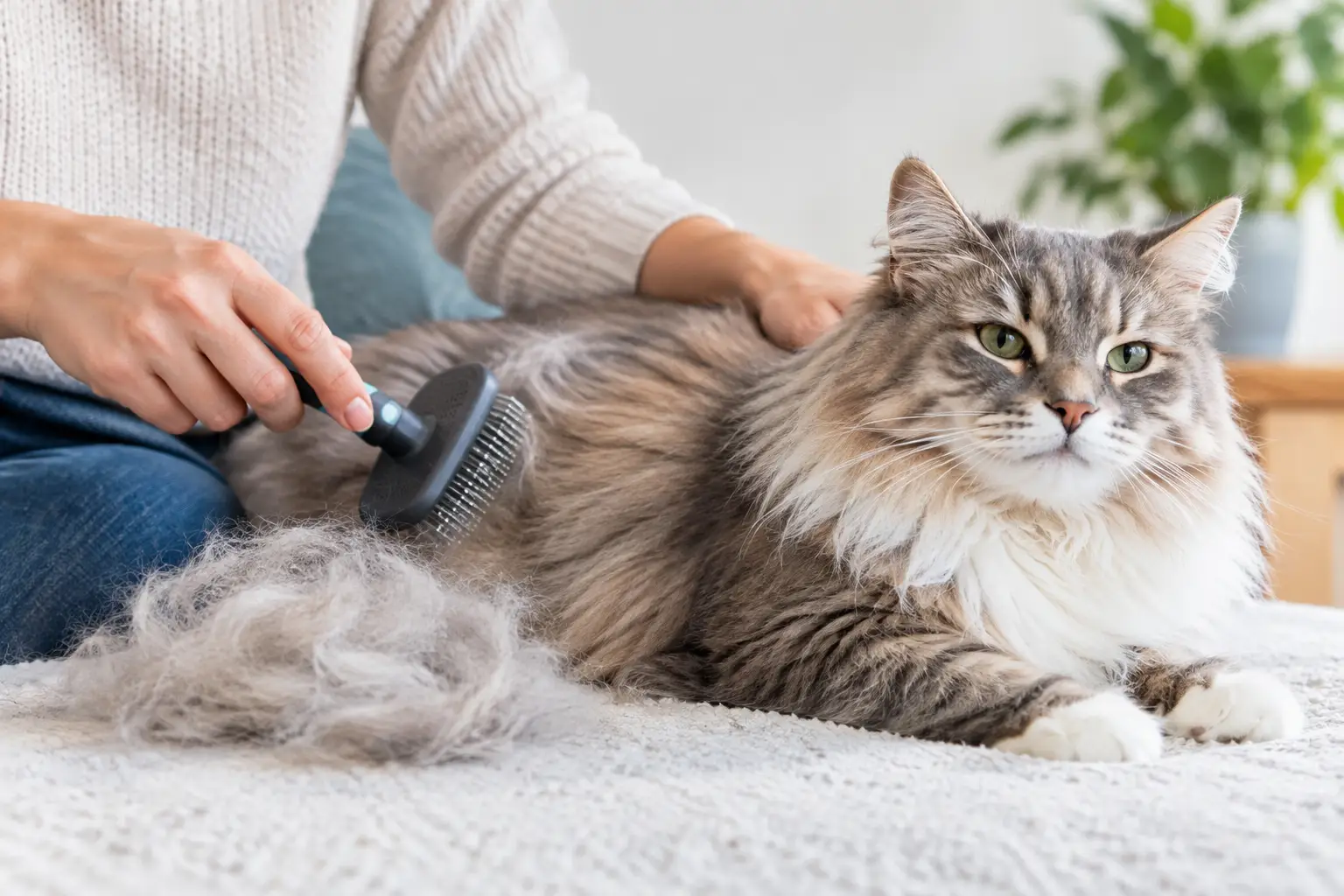
A relaxed short-haired cat with a healthy coat may do beautifully with regular brushing and gentle nail trims at home. If your cat enjoys being handled, you can turn grooming into a familiar routine: a few calm minutes after a meal, soft praise, and a favorite treat can go a long way.
But not every cat will tolerate home grooming, even with a loving owner. Cats can become frightened quickly when they feel restrained, hear an unfamiliar tool, or encounter a tug in their coat. Trying to push through that fear can make future grooming harder and can leave both you and your cat at risk of scratches or bites.
A clinic is not automatically the best answer for every cat, either. Travel, a carrier, waiting rooms, unfamiliar scents, and other animals may raise anxiety before grooming even begins. For a cat that is healthy but stressed by salon or clinic environments, professional mobile grooming can offer a more comfortable middle ground: expert care delivered close to home without a busy, cage-filled setting.
When At-Home Grooming Makes Sense
At-home grooming is a wonderful option for routine maintenance when your cat is cooperative and their coat is easy to manage. Regular care helps you notice changes early, including dandruff, skin irritation, fleas, tenderness, lumps, or a sudden change in shedding.
For most cats, home maintenance should focus on gentle brushing, checking the ears for visible debris, wiping around the eyes when needed, and trimming only the sharp tip of the nails. Short-haired cats may need brushing once a week, while long-haired or thick-coated cats often benefit from more frequent sessions to prevent loose fur from compacting into mats.
The key is to keep sessions brief. A cat does not need a long spa day to build good habits. Two or three peaceful minutes can be more productive than twenty minutes of negotiation. Stop before your cat becomes upset, then return to it later.
Home grooming has limits. Avoid attempting to cut out mats with scissors, especially near the skin. Cat skin is thin and can be pulled into a mat, making accidental cuts more likely than many owners realize. You should also avoid forcing a bath on a cat who is panicking or trying to escape. Stress and struggling can turn a simple task into an unsafe one.
When Professional Grooming Is the Better Choice
Professional care is especially helpful when brushing is no longer enough. Mats, oily fur, excessive shedding, rear-end hygiene issues, nail overgrowth, and dense undercoats often require techniques and equipment that are difficult to use safely at home.
Long-haired cats can be particularly prone to painful matting around the belly, underarms, chest, and hindquarters. Senior cats may struggle to groom themselves because of arthritis or reduced flexibility. Overweight cats may have trouble reaching certain areas. In these cases, grooming is more than a cosmetic service. It can help keep the coat clean, comfortable, and manageable.
The professional environment matters as much as the service itself. Cats generally benefit from one-on-one handling, a quiet pace, and an experienced groomer who understands when to pause. A rushed, high-volume environment may be overwhelming for a nervous cat, particularly when there are barking dogs, loud dryers, or long waits in a cage.
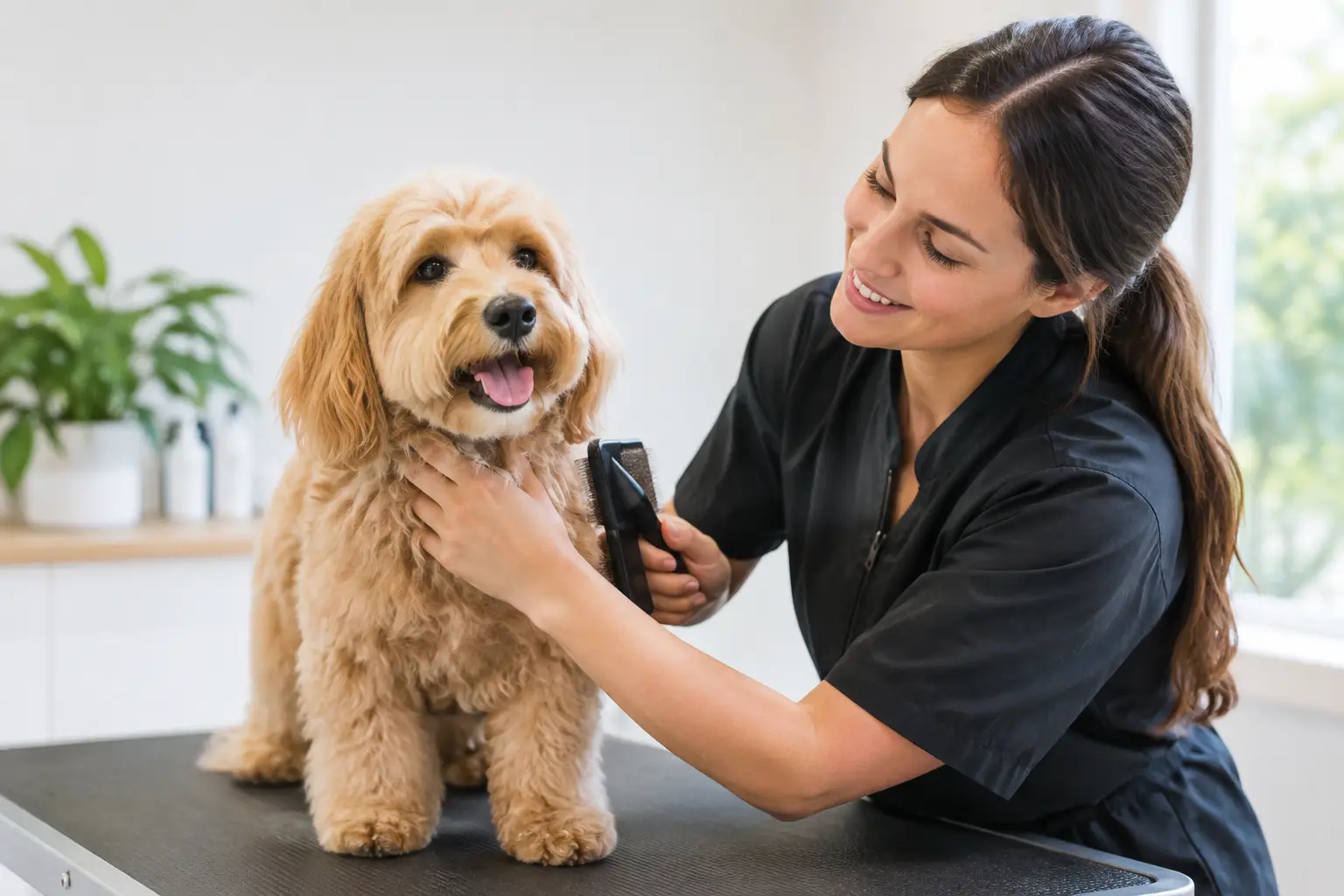
For DFW pet parents who want skilled grooming without the drive and salon stress, V-GROOM provides a calm, cage-free mobile experience designed around individual comfort. A fully equipped mobile grooming van allows your cat to receive professional attention in a quieter, more personal setting, without the usual disruption of transporting them across town.
When a Veterinary Clinic Is Necessary
A grooming appointment and a veterinary appointment serve different purposes. A professional groomer can care for a coat, nails, and basic hygiene, but a veterinary clinic is the right choice when grooming concerns may involve a medical issue.
Call your veterinarian if you notice sudden hair loss, red or swollen skin, open sores, foul-smelling ears, bleeding, parasites, a painful reaction to touch, or a major change in your cat’s grooming behavior. A cat that suddenly stops grooming may be uncomfortable, ill, arthritic, or stressed. That deserves medical attention before a cosmetic grooming service.
A veterinary clinic may also be the safest setting for a severely matted, highly aggressive, or medically fragile cat, especially if sedation could be needed. Sedation should only be discussed and administered under veterinary supervision. It is not a routine grooming solution, but it can be appropriate when a cat’s health and safety require it.
Choosing the Least-Stressful Option
The right choice is usually the one that meets your cat’s needs while minimizing fear. Think about what happens before the grooming begins. Does your cat panic in the carrier? Does a car ride leave them vocal and distressed? Are they calmer when handled by a stranger than when you try to brush a sensitive area? These details matter.
For simple upkeep, at-home grooming may be all your cat needs. For coat care that requires professional tools and trained handling, a mobile groomer can provide a gentler alternative to a traditional salon. For pain, illness, severe skin concerns, or cases that may require sedation, start with your veterinarian.
It also helps to choose professionals who ask questions. A thoughtful groomer will want to know about your cat’s age, coat condition, behavior, past grooming experiences, and health restrictions. This information is not paperwork for its own sake. It helps create a safer plan tailored to the cat in front of them.
Helping Your Cat Feel More Comfortable
Whether you groom at home or book professional care, preparation can reduce stress. Leave the carrier out with a soft blanket inside rather than bringing it out only for appointments. Let your cat investigate brushes and nail trimmers without immediately using them. Keep your own movements slow and your voice calm.
Do not punish hissing, growling, or swatting. Those behaviors are communication. Your cat is saying they have reached their limit, and respecting that limit protects trust. A caring grooming routine is built gradually, not won in one difficult session.
Your cat does not need to love grooming to benefit from it. They simply need care that respects their comfort, their boundaries, and their individual needs. Choosing the right setting can turn grooming from a stressful struggle into a quieter, more manageable part of a well-cared-for life.
2 Responses