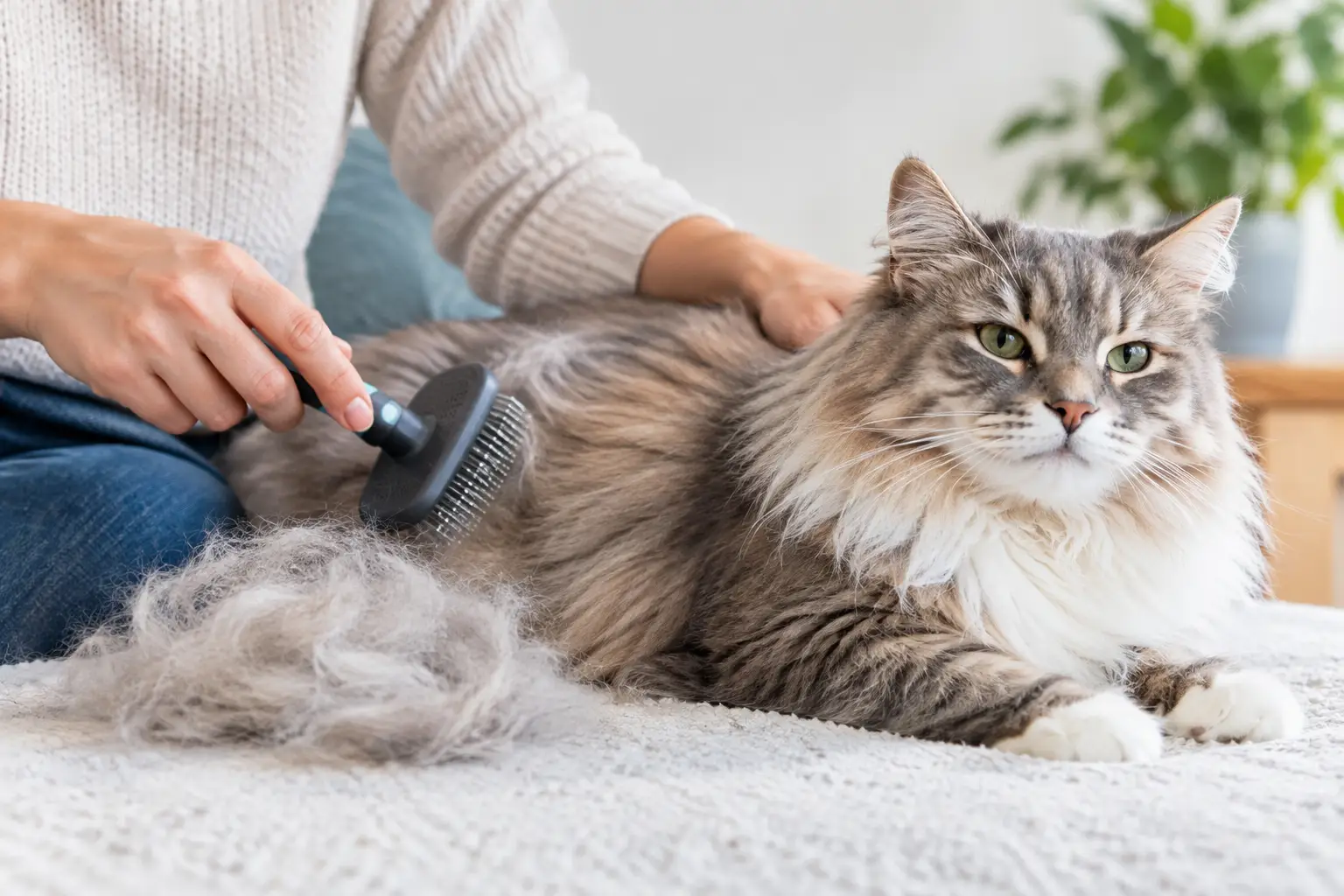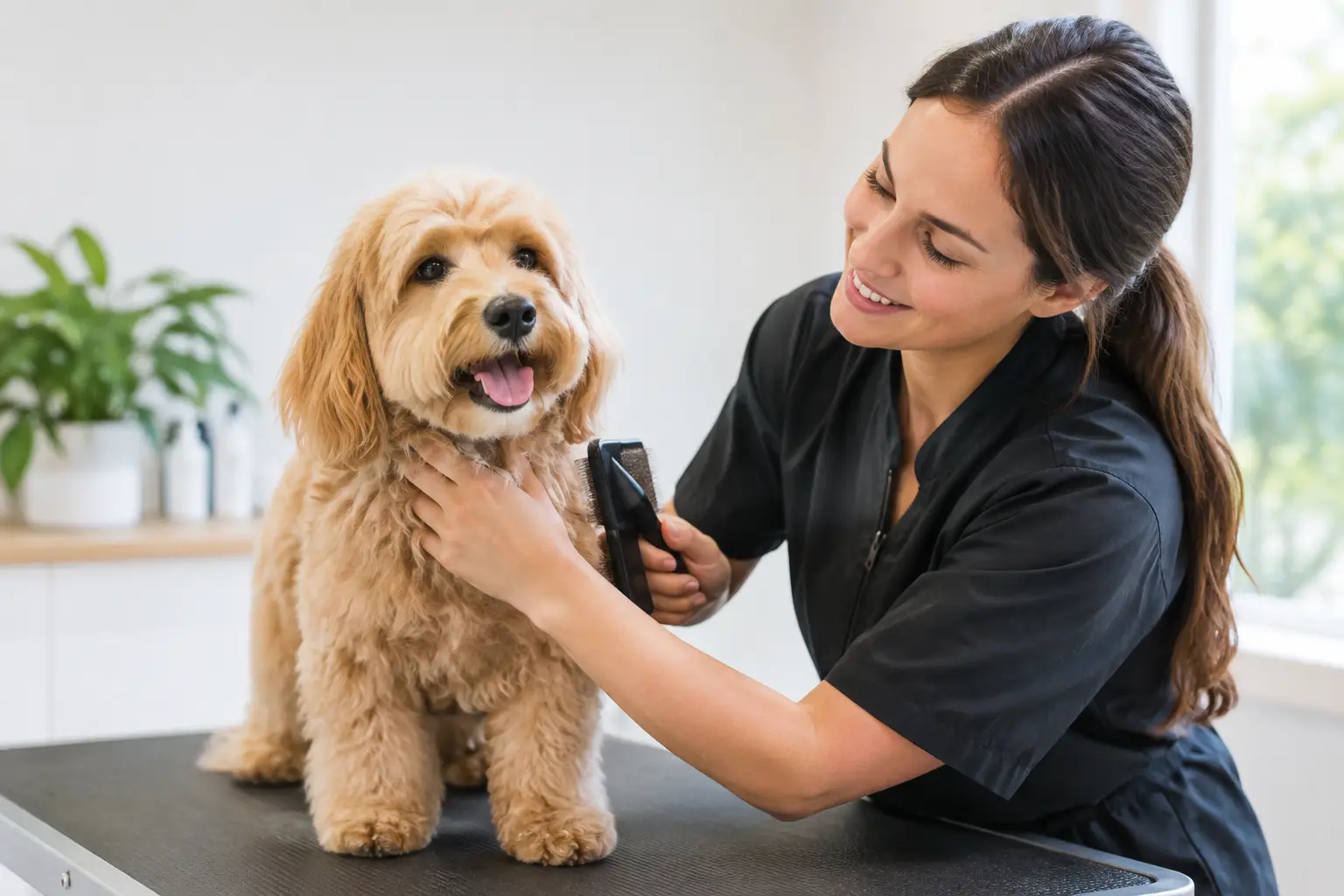
Pet grooming anxiety can turn a routine bath, brush, or nail trim into a stressful day for everyone. A pet who trembles at the sight of the carrier, pulls away from the brush, or panics in a busy salon is not being difficult. They are communicating that the experience feels unsafe, unfamiliar, or simply too intense.
The good news is that grooming does not have to be a battle. With a gentler routine, thoughtful handling, and an environment that respects your pet’s limits, many dogs and cats can learn that being groomed is manageable – and sometimes even enjoyable.
What Pet Grooming Anxiety Can Look Like
Anxious pets do not all react the same way. Some become very still, while others pace, vocalize, hide, shake, snap, or try to escape. A dog may resist getting into the car long before the appointment begins. A cat may disappear the moment the carrier comes out.
Subtle signs deserve attention, too. Repeated lip licking, yawning when not tired, turning the head away, pinned-back ears, a tucked tail, wide eyes, or sudden shedding can all signal discomfort. These behaviors are useful information for a groomer and pet parent. They show where the process needs to slow down or change.
Anxiety is not always caused by grooming itself. Your pet may be reacting to the car ride, a crowded lobby, unfamiliar dogs barking nearby, a long wait in a kennel, strong scents, loud dryers, or being handled by several people in one day. For older pets, stiffness, vision changes, hearing loss, and underlying pain can make formerly easy appointments feel frightening.
Fear Is Not a Training Failure
A nervous response does not mean you have failed your pet, nor does it mean your pet is “bad” for grooming. Some animals are naturally more sensitive. Others have had a difficult past experience, missed early handling practice, or need more time to adjust to new people and sensations.
The goal is not to force a pet to tolerate everything at once. The goal is to build trust while still keeping their coat, skin, nails, and ears in healthy condition.
Why the Grooming Setting Matters
A traditional salon can work well for social, adaptable pets. But it is not the best fit for every dog or cat. Busy spaces often bring a mix of barking, dryers, other animals, unfamiliar handlers, cage time, and a schedule that requires pets to wait before or after their service.
For a sensitive pet, that accumulation matters. Even if the haircut or bath is handled kindly, stress can build before grooming begins. Once a pet is already over threshold, small things – a clipper sound, a wet paw, a stranger reaching for a leg – may feel much bigger than they are.
A quieter, one-on-one appointment changes the equation. Mobile grooming brings professional care to your doorstep, removing the car trip and the unfamiliar salon environment. Your pet can walk a few steps from home into a clean, dedicated grooming space rather than navigating a crowded facility.
V-GROOM’s cage-free, individual approach is designed around that calmer experience. With quiet equipment, no loud generator fumes, and focused handling from one groomer, pets receive care without the commotion that can make appointments harder. That does not erase every fear overnight, but it can remove several common triggers at once.
How to Ease Pet Grooming Anxiety Before the Appointment
The calmest appointment often starts well before the groomer arrives. Small, low-pressure practice sessions at home can make grooming tools and touch feel more predictable.
Begin with the areas your pet already tolerates. For a dog, that may mean briefly touching a shoulder, offering a treat, and stopping. For a cat, it may mean one gentle brush stroke followed by praise or a favorite snack. Keep these sessions short enough that your pet remains successful. Ending while they are still calm is far more helpful than pushing until they resist.
Introduce grooming items without using them right away. Let your pet sniff the brush, nail trimmer, towel, or dryer from a comfortable distance. Pair the item with something positive, such as a high-value treat or quiet affection. If the sound of a dryer is upsetting, begin with it off and gradually introduce a low sound at a distance over several sessions.
Consistency also helps. Regular brushing prevents painful tangles and makes each appointment less demanding. Dogs with fast-growing nails benefit from routine trims rather than waiting until nails are long and sensitive. For long-coated breeds, frequent maintenance can mean a more comfortable visit and less need for extensive detangling.
Be Honest on the Intake Form
Share the details that may help your groomer protect your pet’s comfort. Mention previous grooming challenges, sensitive body areas, health conditions, medications, mobility concerns, bite history, and what reliably helps your pet settle. If your dog dislikes having paws touched or your cat becomes distressed around water, that information is not embarrassing. It allows for a safer, more compassionate plan.
It is also helpful to describe what “anxious” means for your pet. Do they freeze? Try to flee? Vocalize? Become defensive when nails are handled? Specific observations are more useful than a general warning because they help the groomer anticipate triggers.
During the Visit: Comfort Over Perfection
For an anxious pet, the best grooming appointment may not look like a flawless, highly styled result every time. It may mean choosing a practical trim, taking breaks, shortening the service, or completing certain tasks across separate visits. Those choices are not a compromise in care. They can be the most responsible way to protect your pet’s emotional and physical well-being.
A skilled groomer watches for stress signals and adjusts their pace. Gentle handling, controlled movements, and clear transitions give a pet fewer surprises. One-on-one care also lets the groomer stay focused on that animal’s body language instead of moving between several pets.
Pet parents can support this process by keeping the handoff calm. Avoid a rushed goodbye or repeated reassurance that may accidentally signal something alarming is about to happen. Your pet often takes cues from your energy. A relaxed, matter-of-fact handoff says, “You are safe, and I will be back.”
For some pets, staying close is helpful. For others, the owner’s presence can make separation harder or create protective behavior. It depends on the individual pet, their history, and the groomer’s professional assessment. A good plan is always tailored rather than automatic.
When Anxiety Needs More Than a Gentle Approach
Some pets have grooming fear that is severe enough to require veterinary guidance. If your pet is at risk of injuring themselves, becomes aggressive from fear, has extreme panic, or cannot be safely handled for essential hygiene, speak with your veterinarian before the next appointment.
Pain should be ruled out, especially when a pet suddenly starts resisting grooming after years of doing well. Arthritis, dental discomfort, skin irritation, ear infections, and other medical concerns can make routine touch feel unbearable. Your veterinarian may recommend treatment, behavior support, or medication for specific situations. Never give sedatives or calming products without professional direction.
There are also times when a humane groomer may recommend stopping. Severe matting, for example, can be painful to remove and may require veterinary-supported care. Choosing safety over finishing every service is an act of professionalism, not a lack of effort.
Building a Better Long-Term Grooming Routine
Trust grows through repetition. When appointments happen on a predictable schedule, with familiar handling and a setting that does not overwhelm your pet, grooming becomes less mysterious. A pet may still have preferences and boundaries, but they no longer need to brace for an entire day of noise, waiting, and uncertainty.
Celebrate progress in realistic terms. Maybe your dog accepts a bath without trembling. Maybe your cat allows a few minutes of brushing before needing a break. Maybe nail trims go from impossible to manageable one paw at a time. Those are meaningful wins.
Your pet does not need to love every part of grooming to deserve a calm, respectful experience. Give them time, choose care that meets them where they are, and let each gentle appointment become proof that grooming can feel safe.