A bath should leave your dog soft, comfortable, and ready for a nap – not scratching at their sides an hour later. For dogs with dry, reactive, or easily irritated skin, choosing a premium dog shampoo for sensitive skin is less about a pretty bottle and more about protecting the skin barrier that keeps moisture in and irritants out.
Sensitive skin can make grooming feel like a guessing game. A product that works beautifully for one dog may leave another with flaky skin, redness, or a dull coat. The good news is that a thoughtful formula, a gentle bathing routine, and personalized handling can make a visible difference in your dog’s comfort.
What Sensitive Skin Can Look Like
A dog does not need to have a diagnosed skin condition to benefit from a gentler shampoo. Some dogs are simply more prone to dryness, especially during seasonal weather changes or when indoor heat and air conditioning are running. Others react to heavily scented products, frequent bathing, environmental allergens, or residue left in the coat.
Common signs include repeated scratching, dandruff-like flakes, a greasy or dull coat, pink skin, small dry patches, or an odor that returns soon after bathing. Licking paws or rubbing the face can also point to irritation, though those behaviors have many possible causes.
It is worth paying attention to timing. If discomfort begins after every bath, the shampoo, rinse quality, water temperature, or drying process may be part of the problem. If itching is persistent, severe, or accompanied by sores, hair loss, ear issues, or a sudden change in odor, contact your veterinarian. Shampoo can support healthy skin, but it cannot replace medical care for allergies, infections, parasites, or underlying conditions.
What Makes Premium Dog Shampoo for Sensitive Skin Different?
The word “premium” should mean more than attractive packaging or a luxury fragrance. A truly premium shampoo is designed with the dog’s skin and coat in mind, using purposeful ingredients and a balanced cleansing approach. It should remove dirt, oil, and everyday buildup without stripping away the natural oils that help keep skin comfortable.
For sensitive dogs, the best formulas tend to be mild, pH-appropriate for canine skin, and easy to rinse. They often include moisturizing or soothing ingredients such as colloidal oatmeal, aloe, glycerin, or gentle plant-derived cleansers. These ingredients are not magic fixes, but they can help support hydration and reduce the tight, dry feeling that harsher cleansing can cause.
A premium formula also earns its place through consistency. The texture should spread easily through the coat, lather only as much as needed, and rinse cleanly. Leftover shampoo is a common and avoidable cause of post-bath irritation, particularly in dense coats, under the collar, between the toes, and around the belly.
Price alone is not a reliable measure. A more expensive shampoo can still be too strongly fragranced for your dog, while a reasonably priced gentle formula may be an excellent match. The right choice depends on your dog’s individual skin, coat type, grooming schedule, and sensitivities.
Ingredients to favor – and approach carefully
Read the label with the same care you would use for a product that touches your own skin. Look for a formula clearly made for dogs, not a household shampoo repurposed for pets. Human shampoos are formulated for human skin and can disrupt a dog’s natural skin balance.
Gentle, fragrance-free or lightly scented options are often a smart starting point for reactive dogs. Oatmeal and aloe are familiar choices, while humectants such as glycerin can help draw moisture toward the skin. For dogs with curly, double, or long coats, a compatible conditioner may also be useful because it reduces friction during brushing and helps prevent tangles that pull on the skin.
Be cautious with intense perfumes, heavy dyes, and shampoos that promise dramatic results from a long list of active ingredients. Natural ingredients are not automatically gentle, either. Essential oils and botanical extracts can be irritating for some pets, especially when concentrated. “Hypoallergenic” can be helpful language, but it is not a guarantee that every dog will tolerate the formula.
If your veterinarian has recommended a medicated shampoo, use that instead of trying to substitute a cosmetic product. Medicated baths often have specific directions for contact time and frequency, and following them matters.
The Bath Routine Matters as Much as the Bottle
Even the most carefully chosen shampoo can disappoint if the bath itself is rushed. Start with lukewarm water. Water that feels comfortably warm to your hand is usually plenty warm for your dog, while hot water can worsen dryness and irritation.
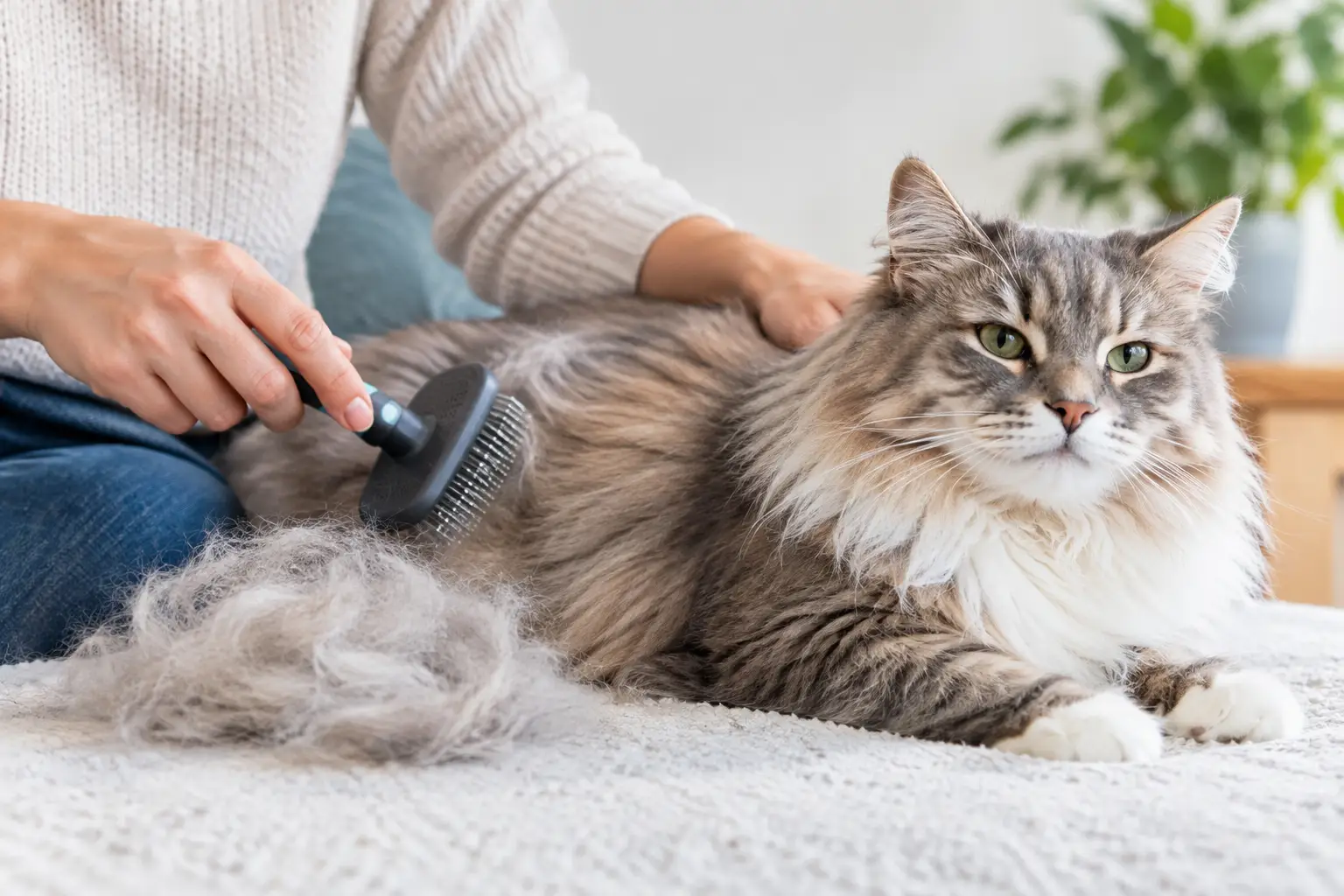
Brush before bathing whenever possible. Removing loose hair and small tangles lets water and shampoo move through the coat more evenly, so you do not have to scrub aggressively. Then thoroughly wet the coat down to the skin, especially on dogs with thick undercoats or water-resistant fur.
Diluting shampoo according to its directions can be helpful for even application. Massage with your fingertips rather than your nails, and avoid vigorous rubbing over sensitive areas. Keep product out of the eyes, inside the ears, and mouth. A slow, thorough rinse is one of the most valuable parts of the appointment. Rinse once, then rinse again in the places where product likes to hide.
Drying deserves the same gentle attention. Towel blotting is kinder than rough rubbing, and a calm, low-noise drying process can be especially welcome for anxious or senior dogs. Damp skin trapped beneath a thick coat may contribute to discomfort, so drying fully is important, but it should never feel overwhelming.
How Often Should a Sensitive Dog Be Bathed?
There is no single ideal schedule. A dog who rolls in the yard, swims often, or lives with environmental allergens may need more frequent baths than a mostly indoor dog with a short coat. On the other hand, bathing too often with the wrong product can leave skin dry and the coat lackluster.
For many dogs, a bath every four to six weeks works well, with brushing and spot cleaning between appointments. Dogs with medical skin needs may require a different schedule from their veterinarian. Dogs with long coats, oily skin, or active family lifestyles may benefit from more regular professional care, provided the products and handling are appropriate.
Watch your dog rather than following a rigid calendar. If the coat feels clean, the skin looks calm, and there is no lingering odor or buildup, there may be no reason to bathe sooner. If the dog is uncomfortable or consistently dirty, adjust the routine thoughtfully instead of reaching for stronger shampoo.
Why One-on-One Grooming Can Be Easier on Sensitive Dogs
Sensitive skin and sensitive temperaments often overlap. A dog who dislikes noise, unfamiliar handling, or waiting around other animals may become tense before the bath even begins. Stress does not cause every skin concern, but a calm grooming experience can make care easier for the dog and more precise for the groomer.
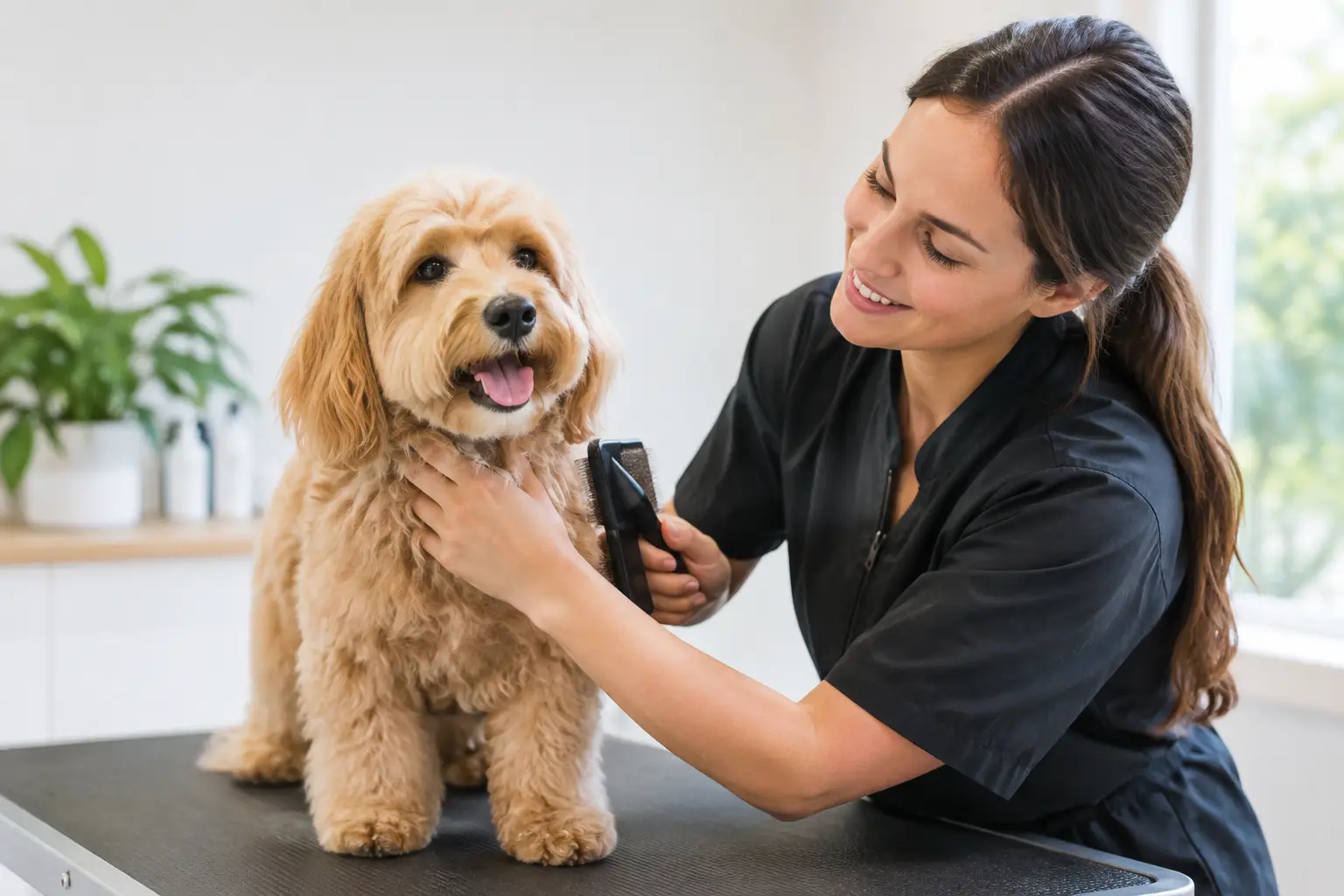
One-on-one grooming allows time to notice dry areas, coat changes, and reactions to products without treating the appointment like an assembly line. It also allows for careful rinsing, low-stress drying, and coat-specific techniques that help avoid unnecessary pulling or friction.
For DFW pet parents, V-GROOM brings that personalized approach directly to the home in a calm, cage-free mobile setting. The goal is simple: professional grooming with more comfort, more attention, and no busy salon environment for your dog to navigate.
A Simple Way to Test a New Shampoo
When introducing a new product, do not change everything at once. Use the new shampoo on a small area first, or try it during a bath when you can observe your dog closely over the next day or two. Avoid adding a new conditioner, fragrance spray, and detangling product at the same time. If a reaction occurs, you will have a better idea of what may have triggered it.
After the bath, look for calm skin and a coat that feels clean but not squeaky, brittle, or overly dry. A dog that settles comfortably and does not scratch more than usual is giving you useful feedback. If you notice redness, bumps, excessive licking, or ongoing itching, discontinue the product and speak with your veterinarian if symptoms do not resolve promptly.
The best bath for a sensitive dog is not the one with the strongest scent or the biggest foam. It is the one that leaves them clean, comfortable, and relaxed enough to greet you afterward with a soft coat and an easy tail wag.