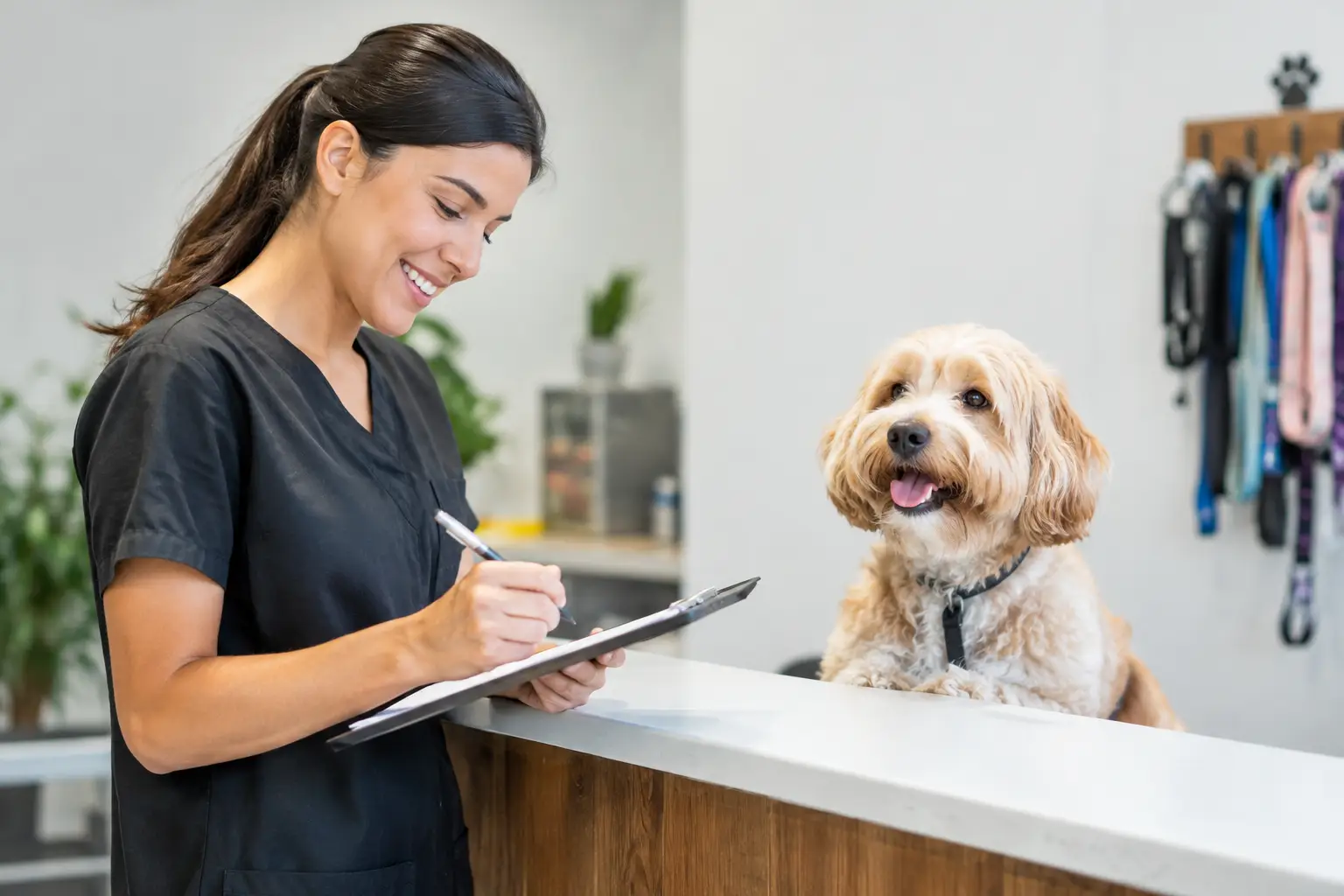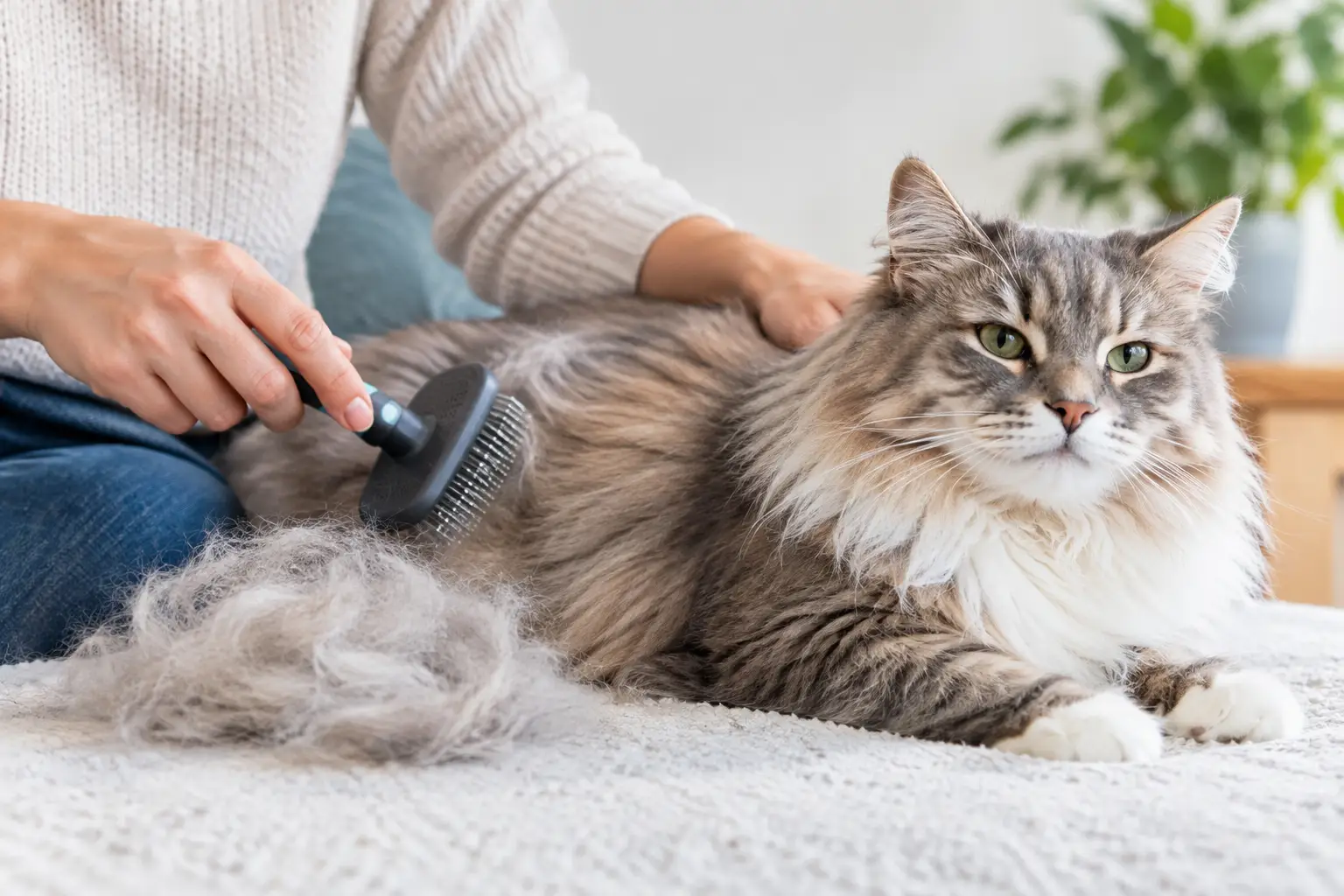
A great grooming appointment begins before the groomer rings the doorbell. Pet grooming intake form questions give your groomer the details that cannot be seen from a breed, a photo, or a quick glance at the coat: the sound that makes your dog nervous, the tender spot your senior cat protects, or the style that makes your pet feel like themselves.
For a mobile, one-on-one appointment, those answers shape the entire experience. They help create a quieter, more personal visit with the right pace, handling approach, and grooming plan from the moment your pet enters the van.
Why the Intake Form Is Part of Your Pet’s Care
An intake form is not busywork before booking. It is a conversation starter between you and the person trusted to care for your pet. The more clearly a groomer understands your pet’s health, temperament, coat condition, and routines, the better they can make thoughtful decisions throughout the appointment.
This matters for every pet, but especially for puppies, seniors, rescues, anxious dogs, and cats who find unfamiliar settings overwhelming. A pet that dislikes dryers may need a slower drying plan. A dog with arthritis may need supportive handling and shorter periods standing. A cat with a history of stress may benefit from a particularly quiet, efficient service.
Honest answers are never something to apologize for. They allow the groomer to prioritize comfort and safety instead of discovering a concern mid-appointment.
Pet Grooming Intake Form Questions to Expect
A well-designed form asks practical questions without making the process feel complicated. It should cover the information that affects your pet’s comfort, the groomer’s handling plan, and the results you hope to see.
Basic details and grooming history
Expect to share your pet’s name, age, breed or mix, approximate weight, and whether they are spayed or neutered. A clear, recent photo can also help a groomer prepare for coat type, size, and the time a service may require.
Grooming history is equally useful. Has your pet been professionally groomed before? How did those appointments go? If a previous groomer noted challenges with brushing, nail trimming, bathing, drying, or face handling, sharing that information sets realistic expectations. It is not a label on your pet. It is context that helps a caring professional begin gently.
For puppies, mention whether this is an early grooming experience. First appointments should focus on building trust, introducing the sights and sounds of grooming at a comfortable pace, and making the visit feel positive.
Health, mobility, and skin concerns
Your groomer needs to know about medical conditions that could affect handling or comfort. This can include arthritis, hip dysplasia, seizures, heart concerns, vision or hearing loss, recent surgery, allergies, sensitive skin, growths, or mobility limitations.
Be specific about anything your pet’s veterinarian has advised. If your dog cannot jump, has a sore leg, or should avoid prolonged standing, say so. If your cat is taking medication that changes their energy level or stress response, include that detail as well.
Skin and coat concerns deserve an honest note. Tell the groomer about itching, hot spots, dandruff, ear sensitivity, fleas, rashes, or lumps you have noticed. Groomers can work carefully around visible areas of concern, but they do not diagnose or treat medical conditions. When a pet has an open wound, contagious skin concern, or appears unwell, grooming may need to wait until a veterinarian has cleared them.
Temperament and handling preferences
This is often the most valuable part of the form. Every pet communicates differently, and their preferences matter. Let the groomer know whether your pet is shy, energetic, protective, noise-sensitive, touch-sensitive, or reactive around unfamiliar people.
Share the details, not just the label. Instead of writing “anxious,” explain what anxiety looks like for your pet. Do they tremble when they hear a dryer? Pull away when paws are touched? Become nervous when separated from you? Do treats, a calm voice, or a few minutes to settle help?
Also note any bite history, growling, snapping, or handling limitations clearly and without embarrassment. This information protects your pet and the groomer. It also helps determine whether a particular service can be performed safely, whether it should be modified, or whether veterinary support may be more appropriate.
Coat condition and service goals
A groomer needs to know what you are hoping for, but your pet’s current coat condition helps determine what is possible. Describe whether your pet is brushed regularly, has tangles behind the ears or under the collar, or has matting in the legs, belly, tail, or sanitary area.
Matting is not simply a cosmetic issue. Tight mats can pull on the skin, trap moisture, limit movement, and make brushing painful. In some cases, a shorter clip is the kindest option. A groomer may not be able to preserve a longer style safely if removing tangles would cause discomfort.
If you have a preferred look, describe it in plain language and share photos if the booking process allows. Mention preferences such as a rounded face, a shorter body, feathered legs, a tidy sanitary trim, or a breed-specific finish. The groomer can then discuss what will work for your pet’s coat, lifestyle, and tolerance that day.
Home access and appointment logistics
Mobile grooming brings premium care to your doorstep, but a few logistics help the appointment begin calmly. The form may ask about parking access, gate codes, apartment instructions, or whether there are low branches, narrow driveways, or HOA restrictions to consider.
It may also ask whether your pet needs a leash, carrier, or a handoff at the door. These questions support a safe transition into the grooming van. For multi-pet households, let the groomer know if other animals may bark, crowd the doorway, or become upset when one pet leaves.
How to Answer Intake Questions Well
The best answers are clear, current, and candid. You do not need to write a long biography of your pet, but avoid minimizing a concern because you worry it will make the appointment harder to schedule. A groomer would rather know that nail trims are difficult than be surprised when your dog panics halfway through the service.
If something has changed since your last visit, mention it. A new medication, recent illness, a stressful boarding experience, a change in mobility, or a coat that has become matted can all affect the plan. Regular clients benefit from updated information just as much as first-time clients do.
It also helps to distinguish between a preference and a non-negotiable safety issue. “Bella prefers a shorter face” is a style preference. “Bella cannot have her right ear handled after a recent infection” is important care information. Both matter, but they guide different decisions.
What These Questions Make Possible
Thoughtful intake answers help create a grooming experience that feels less rushed and more personal. The groomer can reserve the appropriate amount of time, select suitable products, prepare for special handling, and communicate clearly if a service needs to be adjusted.
For pets who struggle in traditional salons, this preparation is especially meaningful. A cage-free, one-on-one setting already removes many common stressors: crowded rooms, unfamiliar dogs, long waits, and a rotating stream of handlers. Intake information allows that calmer environment to be tailored even further to the pet inside it.
At V-GROOM, the goal is never to force every pet through the same routine. It is to provide elevated grooming with patience, professional judgment, and genuine care for the individual animal.
Before your next appointment, take a few extra minutes with the form. The details you share give your pet a voice before the grooming begins, helping turn a necessary routine into a more comfortable, confidence-building experience.