A freshly groomed dog can feel like a reset for the whole household: softer coat, cleaner paws, less loose hair on the sofa. But a guide to hypoallergenic dog grooming should begin with one honest point: no dog or grooming routine can guarantee an allergen-free home. What thoughtful grooming can do is reduce the dander, saliva residue, loose coat, and outdoor debris that often make symptoms harder to manage.
For families with allergy concerns, sensitive pets, or both, the goal is not a heavily scented bath or the shortest possible haircut. It is a calm, consistent routine built around the dog’s skin, coat, comfort, and household needs.
What “Hypoallergenic” Really Means in Dog Grooming
Dog allergies are usually triggered by proteins found in dander, saliva, and urine – not by fur itself. Hair can still carry those proteins through the home, which is why shedding and coat maintenance matter. A dog that sheds less may leave fewer allergen-covered hairs behind, but even curly or low-shedding breeds need regular bathing, brushing, and professional care.
The right schedule depends on the individual dog. A Poodle mix with a dense, curly coat may need grooming every four to eight weeks to prevent matting and hold less debris in the coat. A short-haired dog may need fewer full appointments but still benefit from regular baths, deshedding, nail care, and ear cleaning. Skin conditions, swimming habits, outdoor activity, and seasonal shedding can all change the plan.
Avoid treating “hypoallergenic” as a breed promise or a one-product solution. It is better understood as a practical approach: maintain clean skin, a healthy coat, low levels of loose hair, and a home routine that keeps allergens from building up.
A Guide to Hypoallergenic Dog Grooming at Home
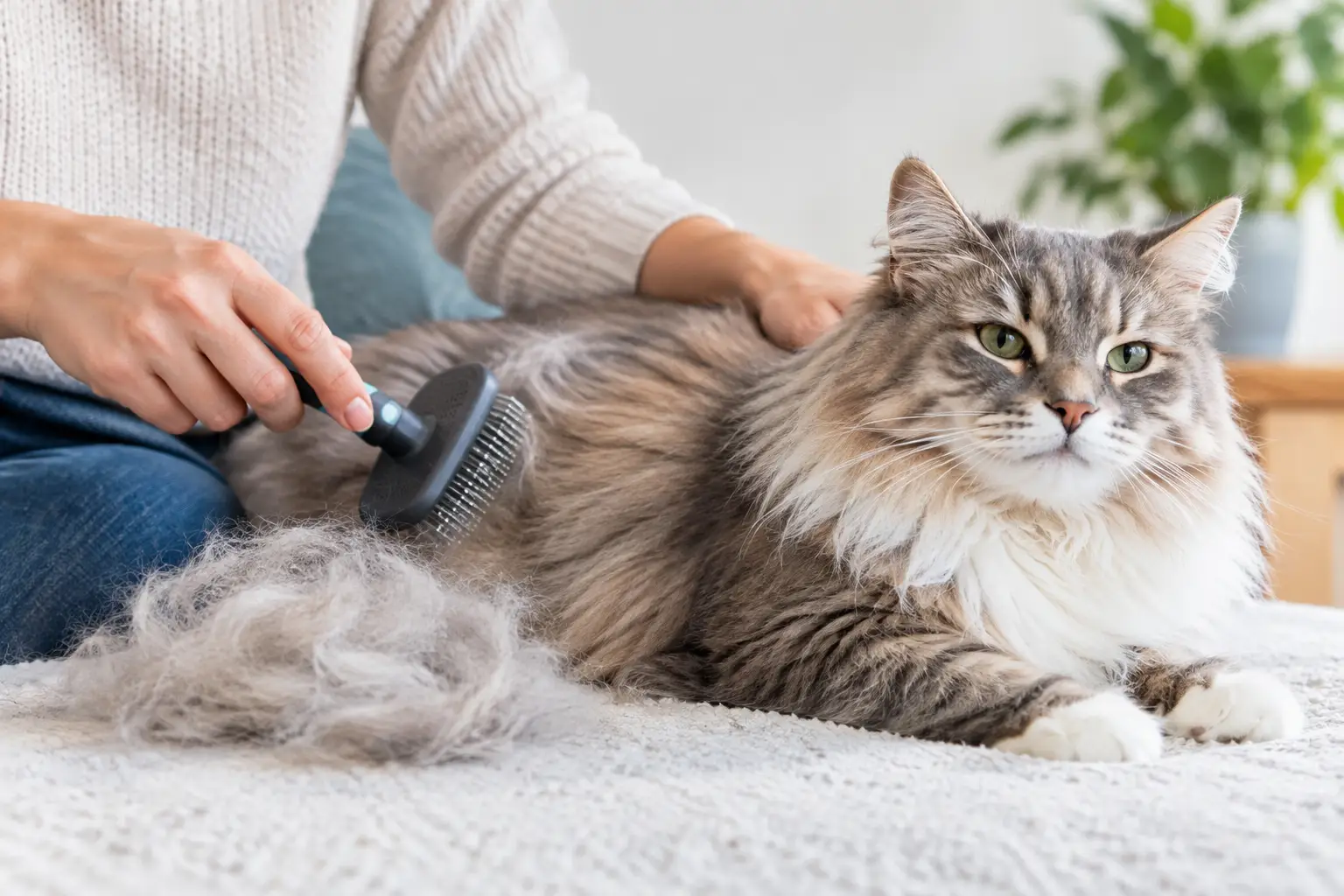
Between professional appointments, gentle upkeep makes a meaningful difference. Brush your dog regularly in an easy-to-clean area, ideally outdoors when weather permits. The best brush depends on coat type. Slicker brushes help work through curly and longer coats, while rubber curry brushes can lift loose hair from short coats without pulling. If you are unsure, ask a groomer to recommend a tool and technique for your dog rather than guessing.
Bathing is equally individual. Overbathing with harsh shampoo can strip natural oils and leave skin dry, flaky, or itchy, which may increase visible dander. On the other hand, waiting too long between baths allows body oils, saliva, and outdoor allergens to accumulate. A gentle dog-specific shampoo, thoroughly rinsed and completely dried, is usually more useful than a strongly fragranced formula.
Pay close attention to the areas that collect the most residue: paws, face folds, chin, belly, and the coat around the rear. A quick paw wipe after walks can reduce pollen and dust brought inside. For dogs with wrinkles, tear staining, or skin folds, follow a vet or groomer’s guidance on safe cleaning. These areas need care, but excessive moisture or the wrong products can create irritation.
Do not use human shampoo, household wipes, essential oils, or heavily perfumed sprays as a shortcut. Dogs have different skin needs, and a product that smells pleasant can still be too drying or irritating. When a dog is already scratching, red, greasy, flaky, or developing an odor, cosmetic grooming products may not be the answer. Those changes are worth discussing with a veterinarian.
Drying Matters More Than Many Pet Parents Expect
A clean coat that stays damp can become uncomfortable quickly, especially in thick, double, or curly coats. Moisture trapped near the skin may contribute to odor, tangles, and irritation. Towel drying is a helpful first step, but it often is not enough for dense coats.
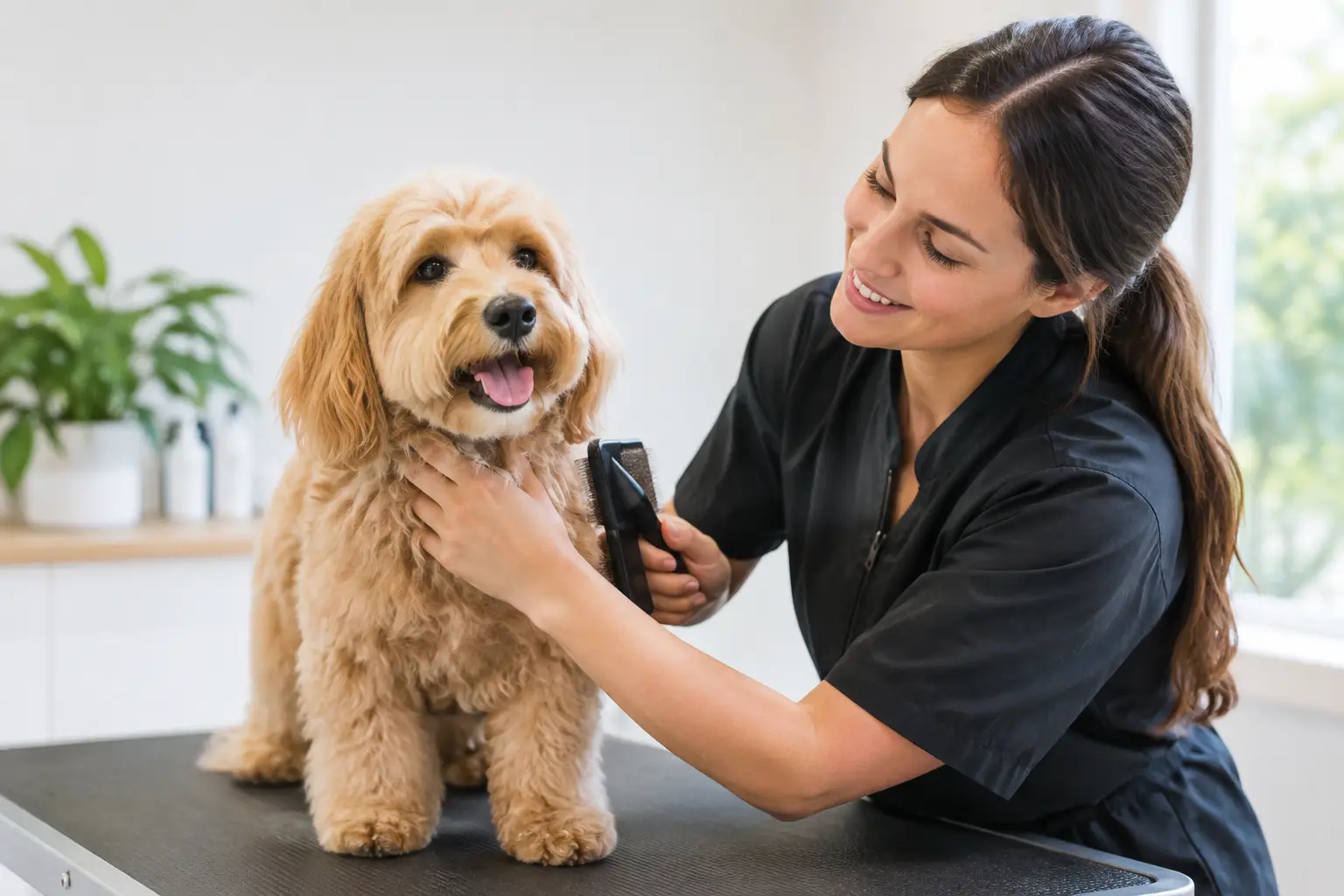
Professional grooming includes controlled drying that separates the coat and reaches the skin without overheating the dog. This is one reason a bath-and-brush appointment can be valuable even when a full haircut is not needed. The dog leaves cleaner, more comfortable, and easier to maintain at home.
Coat Care That Reduces Allergen Buildup
Matting is not just a cosmetic issue. Mats trap moisture, dirt, dander, and shed hair close to the skin. They can also pull painfully when a dog moves, making future brushing and grooming stressful. Keeping the coat at a manageable length is often a comfort decision, not a style decision.
For long or curly coats, brushing the top layer alone is not enough. The coat should be checked in sections, especially behind the ears, under the collar or harness, beneath the front legs, and around the legs and tail. If you find a tight mat, do not pull at it or cut it with household scissors. A professional can assess whether it can be safely worked out or whether a shorter reset groom is kinder.
Seasonal changes matter, too. Double-coated dogs often release significant undercoat in spring and fall. Regular brushing and a professional deshed can remove loose coat before it travels through your car, bedding, and living room. Shaving a double-coated dog is not automatically the right answer, though. It can affect how the coat grows back and may not solve skin or shedding concerns. The best choice depends on coat condition, climate, and your dog’s health.
Creating a Lower-Allergen Grooming Routine
Grooming works best as part of a household rhythm. Wash your dog’s bedding regularly, vacuum floors and upholstered furniture often, and clean the places where your dog rests most. If someone in the home has significant allergies, keeping the dog out of that person’s bedroom can make a noticeable difference.
Consistency is more valuable than occasional intensive cleaning. A routine that includes regular professional grooming, light brushing between visits, paw care after outdoor time, and clean bedding is realistic for busy households. It also gives you a chance to notice changes in your dog’s skin or coat early.
A few habits deserve special attention:
- Wash dog beds, blankets, and washable toys on a regular schedule.
- Clean brushes and combs after use so they do not redistribute old hair and residue.
- Use a vacuum suited for pet hair, especially on rugs, upholstery, and car interiors.
- Keep grooming products simple and introduce one new product at a time if your dog has sensitive skin.
If allergies in the home remain difficult despite good cleaning and grooming, speak with an allergist. They can help identify whether the trigger is dog-related, seasonal, environmental, or a combination. That clarity is more useful than endlessly switching shampoos.
Why a Calm Professional Groom Can Help
Some dogs tolerate at-home brushing but become worried during baths, drying, or nail trims. Others are fine with grooming but struggle in a busy salon filled with barking, unfamiliar dogs, and long waits. Stress can make routine care harder for everyone, especially when frequent maintenance is part of an allergy-conscious plan.
A one-on-one mobile grooming experience offers a quieter alternative. With a fully equipped grooming space at your doorstep, there is no car ride, crowded lobby, cage time, or rushed handoff. For anxious, senior, or noise-sensitive dogs, that calmer setting can make it easier to keep appointments consistent.
At V-GROOM, individualized grooming is designed around each pet’s coat, temperament, and care needs. Gentle handling, quiet equipment, and a cage-free experience support the kind of regular maintenance that helps keep coats clean, comfortable, and easier to manage at home. For DFW pet parents, it is premium care without adding another stressful errand to the day.
When to Call the Veterinarian First
Grooming supports skin health, but it does not replace veterinary care. Persistent itching, hot spots, bald patches, scabs, recurring ear issues, strong odor, or sudden shedding can point to allergies, parasites, infection, hormonal changes, or another medical concern. Let the veterinarian diagnose the cause before trying medicated shampoos or major changes to the grooming routine.
Bring your groomer into the conversation as well. A skilled groomer can follow vet-recommended bathing instructions, watch for changes in coat condition, and adjust products or techniques for a dog with sensitive skin. The best outcomes come from care that is coordinated, not improvised.
A clean, beautifully maintained coat is not about making a dog fit a label. It is about giving them a comfortable routine that feels safe, smells fresh, and leaves more room in your home for cuddles instead of cleanup.