A freshly groomed coat can look and feel wonderful, but the days between appointments are where comfort is protected. Knowing how to maintain dog coat between grooms helps prevent painful mats, keeps shedding manageable, and gives you a chance to notice changes in your dog’s skin before they become bigger concerns.
The goal is not to recreate a professional groom at home. It is to build a calm, gentle routine that supports the work your groomer has already done. A few focused minutes each week can make a meaningful difference, especially for dogs with longer, curlier, double, or continuously growing coats.
How to Maintain Dog Coat Between Grooms Without Overdoing It
Consistency matters more than intensity. A dog who is handled gently and regularly is more likely to accept brushing, paw checks, and face cleaning without stress. Start with short sessions when your dog is relaxed, perhaps after a walk or while settling in for the evening. Offer praise and a small treat so coat care feels like attention, not a chore.
Your dog’s ideal routine depends on coat type, lifestyle, and how quickly they mat. A short-coated dog may only need a quick brush once a week, while a doodle, poodle mix, Shih Tzu, or long-haired breed may need careful brushing every day or two. Dogs who swim, visit parks, wear harnesses often, or love rolling in the grass usually need more frequent checks.
There is one rule worth keeping: never pull through a tangle. Tugging can hurt, create fear around grooming, and tighten the mat against the skin. Slow down, work in small sections, and schedule professional help if the knot will not release easily.
Brush All the Way to the Skin
A quick pass over the top of the coat can make a dog look brushed while hidden tangles continue to form underneath. This is particularly common around friction points: behind the ears, under the collar and harness, beneath the front legs, around the tail, and along the belly and inner legs.
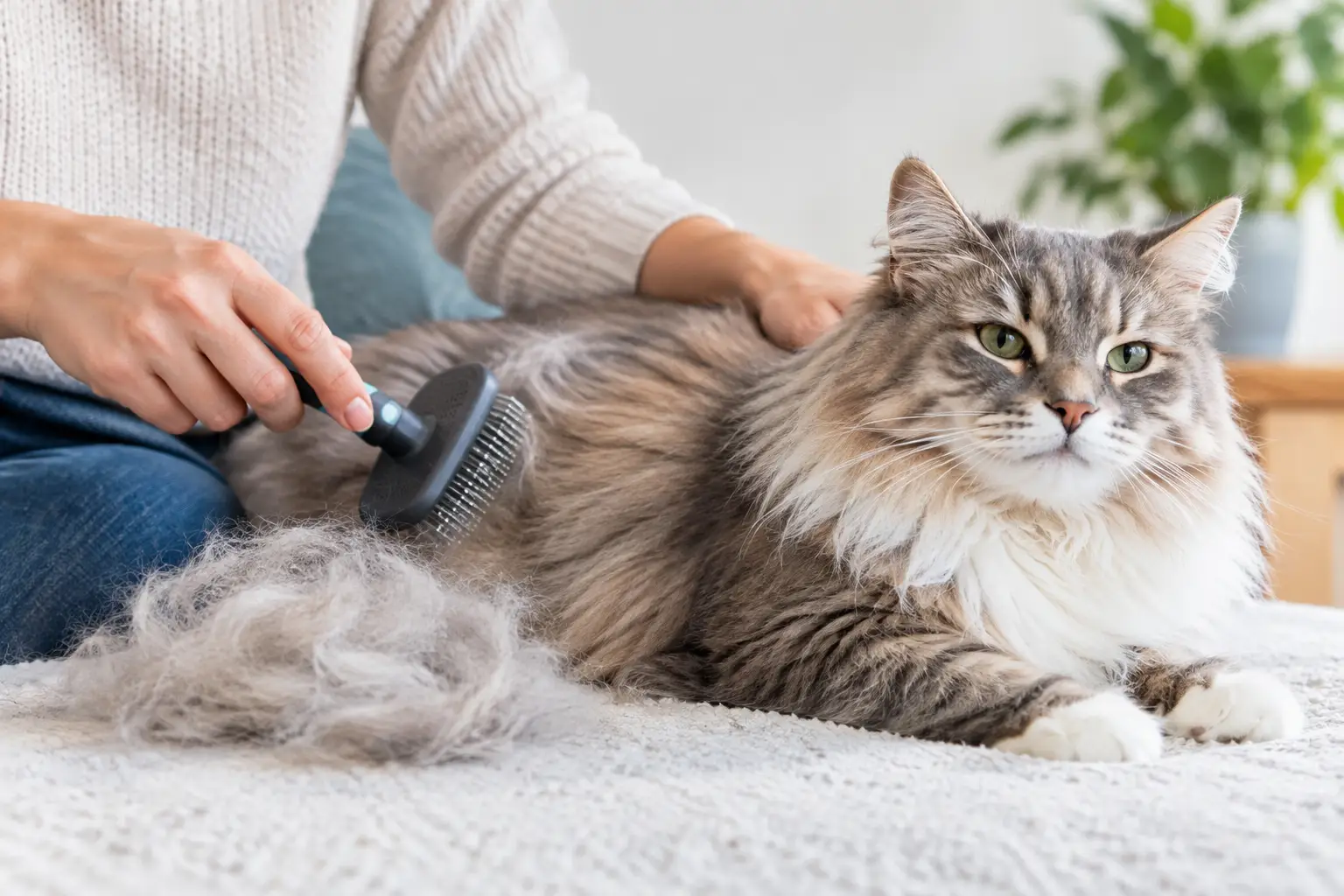
Use one hand to part the coat into small sections, then brush from the ends of the hair toward the skin. This method is often called line brushing. After brushing a section, gently run a metal comb through it. If the comb catches, there is still a tangle beneath the surface.
The right tool depends on your dog. A slicker brush and comb are often useful for curly, wavy, or long coats. A pin brush may suit silky hair, while a rubber curry brush or grooming glove can help lift loose fur from short coats. Double-coated breeds can benefit from tools recommended specifically for their coat, but avoid aggressive de-shedding blades or excessive raking. Removing too much undercoat can affect insulation and leave the coat looking uneven.
Keep brushing sessions brief for puppies, seniors, and dogs who are sensitive to handling. You can brush one area today and another tomorrow. A peaceful routine is far more valuable than forcing a full-body session your dog dreads.
Pay attention to the high-mat areas
Mats can become tight surprisingly fast, especially after moisture, outdoor play, or a harness rubbing in the same place. During each check, feel for small knots behind the ears, in the armpits, under the chest, around the sanitary area, and where the legs meet the body.
If you find a tiny, loose tangle, hold the hair close to the skin to reduce pulling and gently tease it apart with your fingers before using a comb. Do not use scissors near a mat. Matted skin can be pulled up into the knot and is easy to cut accidentally. A professional groomer can safely assess whether a mat can be brushed out or needs to be clipped away for your dog’s comfort.
Bathe Only When Your Dog Needs It
More baths do not always mean a healthier coat. Bathing too frequently, or using products made for people, can strip natural oils and leave the skin dry or itchy. Most dogs do best with bathing based on their coat, activity level, skin needs, and groomer’s recommendations.
When a bath is needed, brush first. Water can tighten existing tangles, turning small knots into difficult mats. Use a dog-specific shampoo, rinse exceptionally well, and choose a conditioner if your groomer recommends one for your dog’s coat. Residue can cause irritation and dullness.
Drying matters just as much as shampoo. Towel blot rather than vigorously rubbing long or curly hair, since friction creates tangles. Make sure the coat is fully dry, especially in dense areas under the collar, around the ears, and between the toes. A damp coat can trap odor, irritate skin, and encourage matting.
For light dirt between baths, a damp washcloth or pet-safe grooming wipe can be enough. Wipe paws after walks, clean the beard after meals, and dry your dog promptly after rain or swimming. Small cleanups keep your home fresher without putting your dog through unnecessary baths.
Care for the Details That Affect Coat Health
A beautiful coat starts with comfortable skin and good daily habits. Check your dog’s ears weekly for odor, redness, discharge, or frequent scratching. Unless your veterinarian has advised otherwise, clean only the visible outer ear with an appropriate pet ear cleaner. Do not insert cotton swabs into the ear canal.
Paws deserve regular attention, too. Look between the pads for burrs, mud, road salt, and packed fur. Long hair between paw pads can hold moisture and debris, but trimming it safely requires steady handling and the right tools. If your dog is wiggly or anxious, leave that detail to a professional.
Nails are part of the picture. Overgrown nails can change how a dog stands and walks, which may make paw handling uncomfortable and coat care more difficult. If you hear nails clicking constantly on hard floors, it may be time for a trim.
Nutrition, hydration, and parasite prevention also show up in the coat. A sudden change in shedding, flakes, odor, bald spots, redness, or persistent itching is not something to brush away. Contact your veterinarian, particularly if your dog seems uncomfortable or the change is abrupt.
Protect the Coat During Everyday Life
The simplest prevention often happens before a tangle starts. Remove collars and harnesses when your dog is safely at home if they are rubbing the same areas for hours. Make sure clothing fits well and does not create friction under the legs or around the neck. After a muddy hike, beach day, or playdate, do a quick hands-on check before dirt and moisture settle in.
Long facial hair also benefits from a little daily care. Wipe food and moisture from around the mouth and eyes with a soft, damp cloth. Avoid using human eye products or fragranced wipes near the face. If hair is blocking your dog’s vision or causing eye irritation, schedule a face trim rather than attempting a close cut at home.
For dogs with heavy seasonal shedding, increase brushing gradually rather than trying to remove everything in one session. Regular, gentle removal of loose fur is more comfortable for your dog and more manageable for your furniture. It also helps you distinguish normal shedding from unusual hair loss.
Know When It Is Time for a Professional Groom
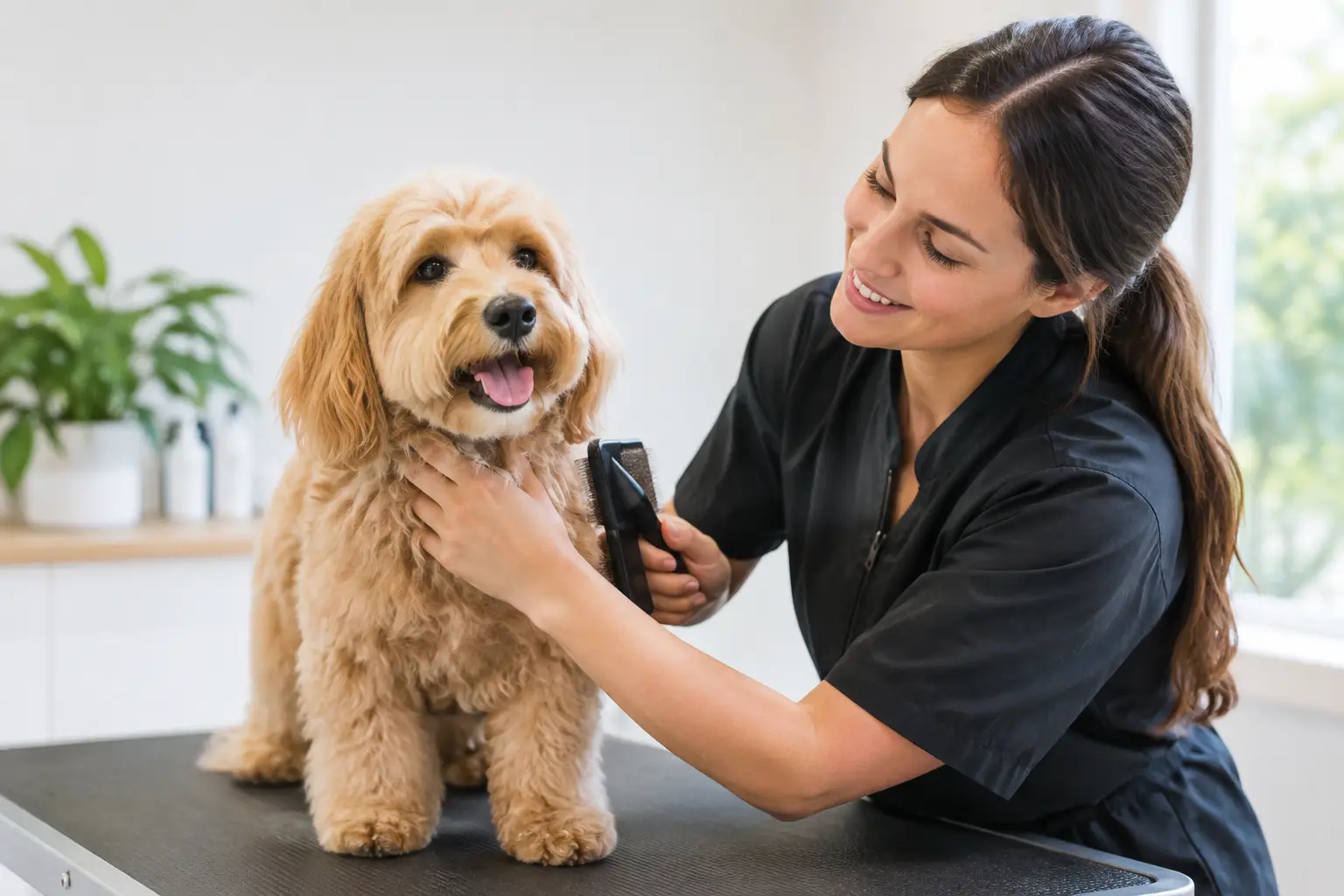
At-home maintenance has limits, and that is perfectly normal. Professional grooming provides the bathing, drying, coat preparation, sanitary care, nail care, and precise trimming that keep many coats functional as well as attractive. Your groomer can also spot developing matting or skin concerns that may be easy to miss at home.
Call for an appointment sooner if you find mats close to the skin, notice a strong odor after bathing, see irritated skin, or cannot comfortably brush through the coat. Waiting can turn a manageable knot into a painful issue that requires a shorter clip. For anxious dogs, a calm, one-on-one setting can make that care much easier to accept.
For DFW pet parents, V-GROOM brings that individualized, cage-free grooming experience directly to your doorstep, helping dogs receive professional care without the stress of a busy salon environment.
A well-kept coat is not about perfection every day. It is about giving your dog a few calm moments of care, noticing what feels different, and keeping comfort at the center of the routine.