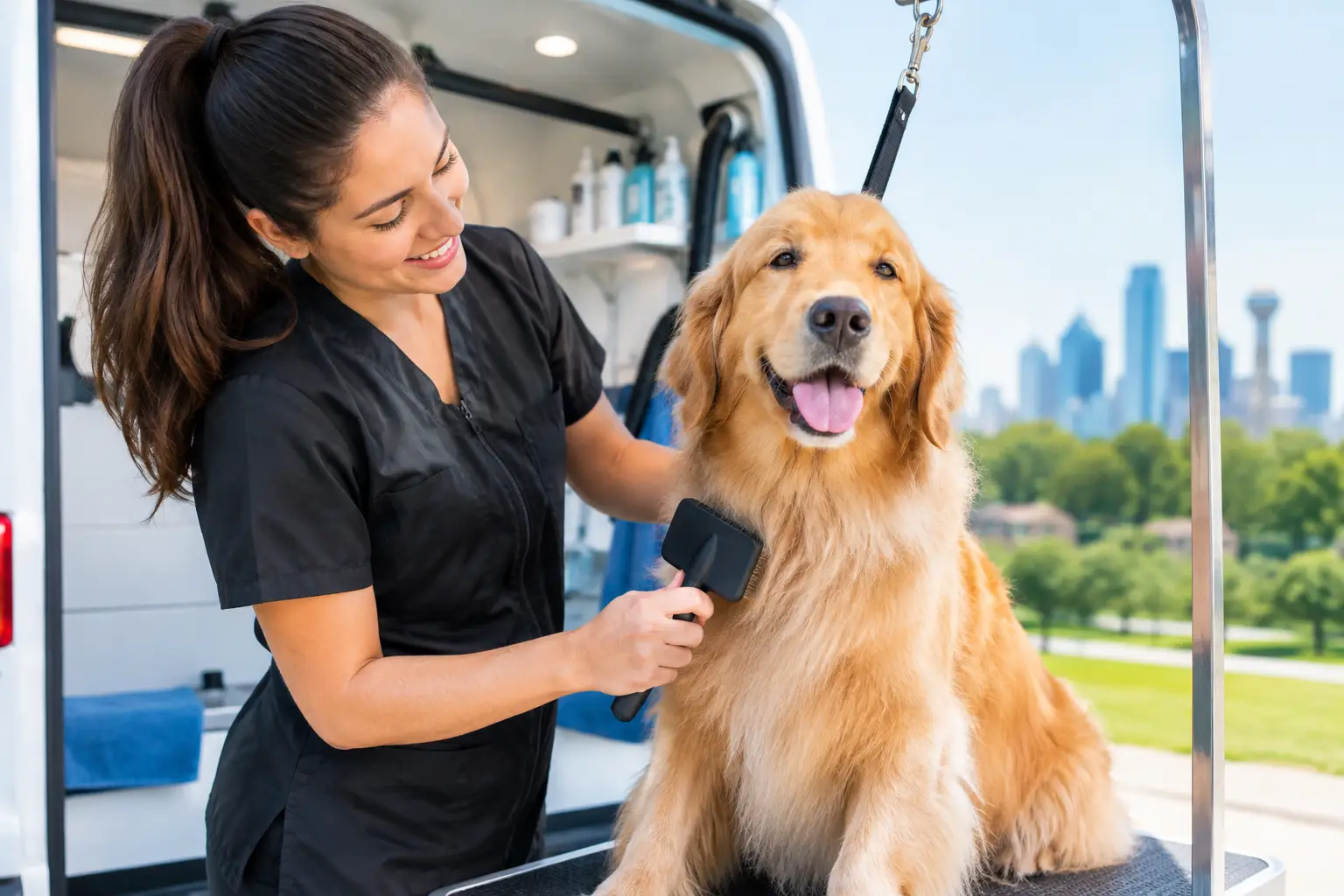
The best mobile grooming appointments usually start before the groomer arrives. If you have ever watched your dog tense up at the sight of a leash or your cat disappear the moment a carrier comes out, you already know that preparation shapes the entire experience. Knowing how to prepare pets for mobile grooming can make the visit calmer, faster, and far more comfortable for everyone involved.
That matters even more for pets who are anxious, older, sensitive to noise, or easily overstimulated. One of the biggest advantages of mobile grooming is that your pet stays close to home instead of being dropped off in a crowded salon. But even with a quieter, one-on-one setting, a little planning helps your pet walk into the appointment feeling safe rather than surprised.
How to Prepare Pets for Mobile Grooming Before Appointment Day
A smooth groom begins with routine. Pets handle new experiences better when the rest of the day feels familiar, so try not to make the appointment feel dramatic. Keep meals, walks, and quiet time as normal as possible.
If your dog or cat is new to grooming, start with gentle handling in the days leading up to the visit. Touch the paws, lift the ears, and run your hand along the face, legs, and tail for a few seconds at a time. Follow with praise and a treat. This does not replace professional desensitization for very fearful pets, but it can help your pet feel less startled when a groomer needs to work in those sensitive areas.
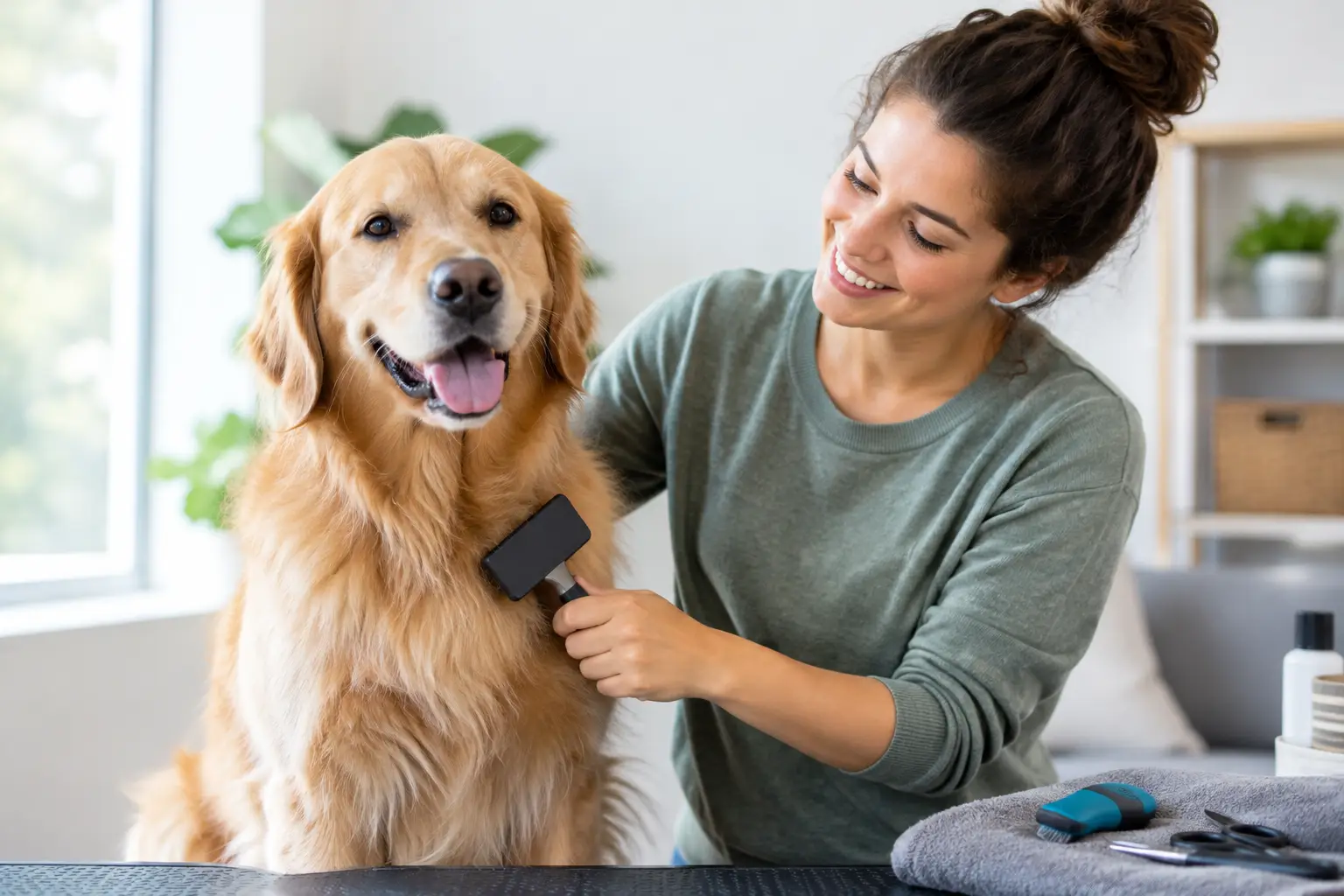
Brushing at home can also make a difference, especially for pets with long or dense coats. A light brush-through helps you spot tangles early and gives you a clearer sense of your pet’s coat condition. If you find severe matting, avoid cutting or pulling at it yourself. That often makes pets more defensive and can create safety concerns. It is better to let the groomer know in advance so the appointment can be approached with the right care.
Just as important, make sure your intake information is complete. Share anything that affects handling or comfort, including skin sensitivity, arthritis, past grooming stress, recent injuries, senior mobility issues, or triggers like dryers, nail trims, or face work. Premium grooming is not just about appearance. It is about tailoring the experience to the pet in front of you.
Set Up the Right Pre-Groom Routine
On the day of the appointment, timing matters. Most pets do better when they have had a bathroom break and a chance to release some energy beforehand. Dogs should be walked before the groomer arrives, not rushed outside at the last minute. A short, relaxed walk is usually enough. You are not trying to tire your dog out completely. You are simply helping them settle.
Cats benefit from a calm environment in the hour before the appointment. Keep doors and windows secure, reduce household commotion, and avoid introducing anything new. If your cat tends to hide, close off hard-to-reach spaces ahead of time so you are not trying to retrieve them from under a bed when the van pulls up.
Feeding is a place where moderation helps. A full meal right before grooming can leave some pets uncomfortable, especially if they get nervous in new situations. On the other hand, arriving overly hungry can make them irritable. For many pets, feeding earlier and offering water as usual is a sensible balance. If your pet has medical needs or a tightly scheduled feeding routine, that is worth mentioning ahead of time.
Create a Calm Handoff at the Door
The handoff sets the tone. Pets read our energy very quickly, so if you sound rushed, apologetic, or anxious, they often respond in kind. A calm voice and a confident routine go a long way.
Have your pet ready a few minutes before the scheduled arrival. Dogs should be on a secure leash and wearing a properly fitted collar or harness. Cats should be safely contained and easy to transfer. Even if your cat is usually relaxed at home, the sight of an opening door or an unfamiliar person can trigger a quick escape.
This is also the right moment to share key updates clearly and briefly. Mention anything new since booking, such as a hot spot, recent surgery, limping, medication changes, or unusual sensitivity. If your pet has a specific stress point, say so upfront. For example, it helps to note whether your dog dislikes paw handling or your cat becomes defensive during drying. Small details help the groomer adjust the approach before stress builds.
What to Tell the Groomer About Your Pet
Good grooming results depend on communication, not guesswork. If you have style preferences, be specific but realistic. Photos can help if you are asking for a certain look, especially for breed trims or coat lengths. At the same time, coat condition, matting, skin health, and the pet’s tolerance level can affect what is possible in a single appointment.
Temperament matters just as much as aesthetics. Let the groomer know if this is your pet’s first groom, if they are sensitive around the face, if they have ever snapped during nail trims, or if they become fearful around vibration or water. None of that is something to hide. In fact, it is exactly the kind of information that supports a safer, more compassionate groom.
There is also value in sharing what works well. If your dog settles with soft reassurance, or your cat responds best when handled slowly and quietly, say that too. Grooming is deeply individual, and thoughtful information allows for a more refined experience.
Preparing Anxious, Senior, or First-Time Pets
Some pets need a little more support, and that is completely normal. If your pet is anxious, avoid building suspense around the appointment. Repeating excited phrases, bringing out supplies too early, or gathering the family to watch can raise arousal instead of easing it.
For senior pets, comfort and pacing are especially important. Older dogs and cats may have joint stiffness, reduced stamina, hearing loss, or skin that is more delicate than it used to be. Share any mobility concerns ahead of time so the appointment can be planned with extra care. A shorter groom or a modified service may be the better choice depending on the pet.
First-time pets often do best when owners keep expectations realistic. The goal does not always have to be a perfect, full transformation on day one. Sometimes the best outcome is a clean, gentle introduction that builds trust for future appointments. That approach can be far more valuable over time than pushing a nervous pet too far too fast.
How Your Home Environment Affects the Appointment
Mobile grooming offers a more private, low-stress experience, but the environment around the van still matters. If possible, reduce activity near the grooming area. Loud outdoor play, slamming car doors, barking from other pets inside the house, or a busy driveway can all increase tension for sensitive animals.
If you have multiple pets, separate them during the appointment unless the groomer asks otherwise. Even bonded pets can become agitated when they see one another being handled. A quiet home base for the pets not being groomed helps keep the overall energy steady.
Children can also be curious and excited, which is understandable. But grooming handoffs tend to go more smoothly when the process feels calm and uncluttered. A little space allows your pet to focus and helps the groomer work safely.
Small Things That Make a Big Difference
Preparing for mobile grooming is not about doing everything perfectly. It is about removing avoidable stress. A potty break, a secure leash, clear communication, and a calm handoff may sound simple, but together they can change the entire rhythm of the appointment.
It also helps to think long term. Pets become more comfortable with grooming when each visit feels predictable and respectful of their limits. That is one reason many owners prefer a one-on-one, cage-free model like V-GROOM. When pets are handled with consistency, quiet care, and individual attention, they often grow more confident from one appointment to the next.
If your pet has had rough grooming experiences before, give the process a little patience. Trust is built through repetition, not pressure. The goal is not just a clean coat or neat nails. It is helping your pet feel safe enough that grooming becomes part of a healthier, easier routine.