A dog who panics at the dryer, a senior cat with thinning fur, and a puppy learning to tolerate nail trims do not need the same care. That simple truth is driving personalized pet care trends: pet parents are moving away from one-size-fits-all routines and choosing services that account for temperament, age, coat, health needs, and daily comfort.
For many households, personalization is not about adding luxury for luxury’s sake. It is about reducing avoidable stress. A calm grooming appointment, a coat routine suited to the season, or a gentler approach for an older pet can make regular care feel safer and more manageable for everyone.
Why personalized pet care trends are growing
Pets have always had individual needs, but owners now have more information and higher expectations around meeting them. They notice when their dog comes home overstimulated from a busy salon. They recognize that a cat may be clean at the end of an appointment yet deeply unsettled by travel, unfamiliar animals, and prolonged handling. They want care that considers the whole experience, not just the finished haircut.
Convenience is part of the shift, especially for busy families and professionals. But the deeper value is continuity. When the same groomer gets to know a pet’s sensitive areas, preferred handling style, coat condition, and tolerance for different tools, grooming becomes less of an unknown event. It becomes a familiar routine.
This is particularly meaningful for anxious pets, seniors, puppies, rescue animals, and pets with mobility challenges. Their needs may change from month to month. Personalized care gives owners room to adjust rather than forcing every appointment into the same package and pace.
Grooming is becoming a comfort-first service
A polished coat is still the visible result of grooming, but pet parents are paying closer attention to how that result is achieved. The current preference is clear: quieter equipment, gentler handling, fewer transitions, and one-on-one attention when possible.
Traditional salon environments can work well for social, resilient pets. Still, they are not the best fit for every animal. Noise from dryers, barking, cages, unfamiliar scents, and a crowded schedule can be overwhelming for a pet that is sensitive or easily frightened. A low-stress setting is not simply a nice extra. For some pets, it is the difference between tolerating grooming and learning to trust it.
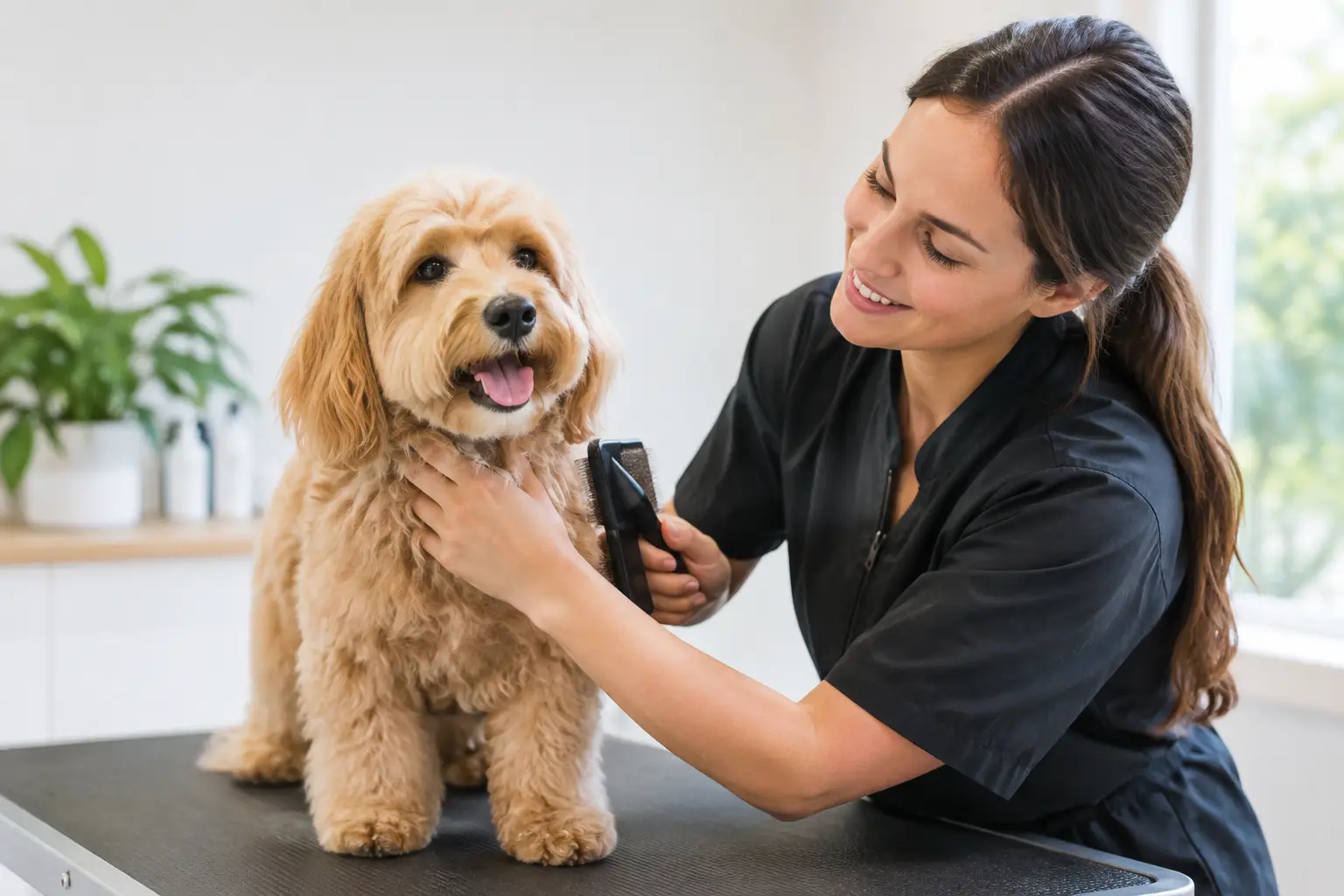
Mobile grooming supports this shift by bringing professional care closer to home. A pet avoids the car ride, the lobby, and the busy salon floor. In a private, fully equipped grooming van, the appointment can stay focused on one pet or one household at a time. That controlled setting may be especially helpful for pets who become reactive around other animals or need a quieter pace.
Comfort-first does not mean skipping professional standards. It means pairing skill with observation. A thoughtful groomer knows when a dog needs a break, when matting requires a different plan, and when a requested style may not be realistic or comfortable for the pet’s current coat condition.
Coat care is becoming more specific
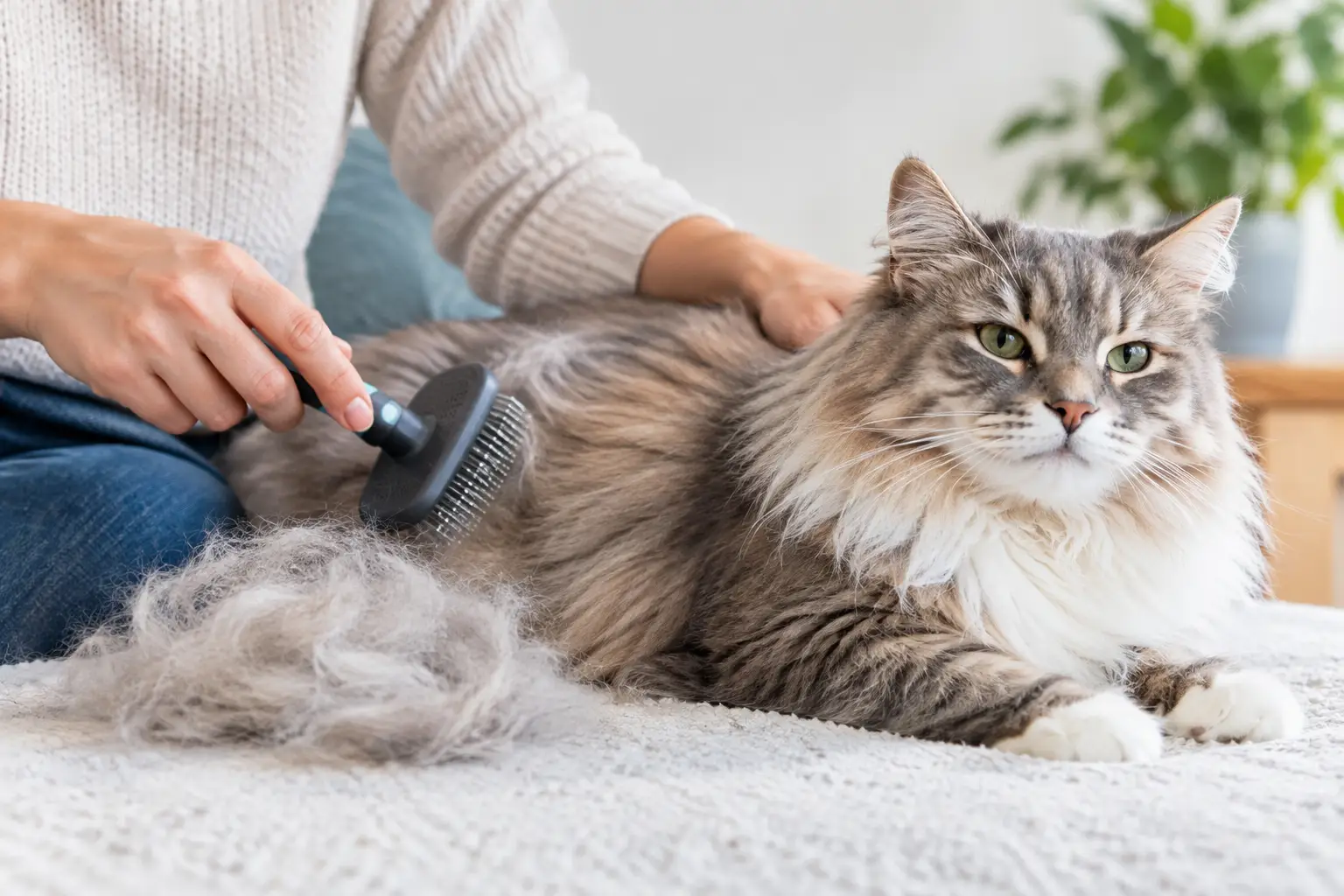
A fluffy double coat, a curly doodle coat, a short smooth coat, and a long-haired cat each require different maintenance. More pet parents are learning that the right grooming schedule is not based only on appearance. It also helps support skin health, comfort, and manageable home care between appointments.
For example, a longer trim may suit a pet whose family enjoys regular brushing and can keep up with it. A shorter, more practical style may be kinder for a dog prone to tangles or a senior pet that no longer tolerates lengthy brushing. Neither choice is universally better. The best option depends on the pet’s coat, lifestyle, and ability to stay comfortable.
Seasonal care matters too. In North Texas, heat, outdoor activity, pollen, and sudden weather changes can affect the condition of a pet’s skin and coat. Regular bathing and brushing can help remove loose hair, dirt, and outdoor buildup, while a groomer can flag concerns that deserve a veterinarian’s attention.
Wellness details are part of the appointment
Personalized grooming often includes small services that make a meaningful difference over time. Nail trims can support easier movement. Ear cleaning can remove visible buildup. Teeth brushing can be a helpful part of an at-home hygiene routine, though it does not replace veterinary dental care. Gentle facial cleaning can keep the area around the eyes fresh and comfortable.
These details should never become a checklist applied without thought. A pet with sensitive ears may need a lighter approach. A dog who dislikes having paws handled may do best with gradual, patient nail care. A pet with red skin, an unusual odor, swelling, or sudden coat loss needs more than an add-on treatment – those signs should be discussed with a veterinarian.
The strongest personalized pet care trends keep this distinction clear. Grooming supports hygiene and comfort. Veterinary professionals diagnose and treat medical concerns. Responsible care respects both roles.
Better intake leads to better care
Personalization begins before the appointment. A useful intake process asks more than breed, size, and preferred haircut. It makes space for owners to share whether a pet has arthritis, anxiety, recent surgery, sound sensitivity, skin sensitivities, or a history of difficult grooming experiences.
This information allows the groomer to prepare rather than react. An elderly dog may need more breaks and careful positioning. A newly adopted pet may benefit from a shorter first visit focused on building confidence. A pet that struggles with the dryer may need quieter drying methods and a more flexible timeline.
Owners can help by being honest about behavior and coat condition. Mats are common, particularly behind the ears, under the collar, around the legs, and in areas where a harness rubs. Waiting too long to mention them can lead to disappointment if a groomer recommends a shorter haircut for the pet’s comfort. Clear communication creates safer choices and more predictable results.
A premium experience should still be practical
Personalized care can include special touches such as a luxury scent, a blueberry facial, or seasonal attire. Those extras can be fun, but they should remain secondary to the pet’s comfort. Not every pet enjoys accessories. Not every skin type responds well to fragranced products. A premium service feels thoughtful when it adapts to the pet instead of insisting on a fixed experience.
The same principle applies to appointment frequency. Some pets need grooming every few weeks to maintain a high-maintenance coat. Others may only need regular baths, brushing, nail care, and occasional tidy-up services. A personalized plan should fit the pet’s actual needs and the owner’s ability to maintain the coat at home.
What pet parents should look for
The right provider will ask questions, explain recommendations clearly, and treat your pet’s comfort as a standard rather than an upgrade. Look for a grooming experience that gives your pet focused attention, uses appropriate equipment, and is willing to adjust when your pet is overwhelmed.
It is also reasonable to ask how appointments are scheduled. A rushed grooming process can be difficult for pets who need breaks. One-on-one mobile grooming, such as the experience offered by V-GROOM, can be a strong option for families who want professional results without cages, crowded waiting areas, or unnecessary noise.
Personalized service does not promise that every pet will love every part of grooming immediately. Some pets need time, repetition, and patient handling to build confidence. What it can offer is a more respectful path forward, with care shaped around the pet in front of the groomer.
The best routine is the one your pet can live with comfortably. Pay attention to what helps them stay calm, clean, and confident, then choose care that meets them there.