
A poodle clipped like a Labrador is not just a style mismatch – it can create real discomfort, coat damage, and extra maintenance at home. Breed specific dog grooming matters because dogs do not share the same coat type, skin sensitivity, shedding pattern, or grooming tolerance. The right approach keeps your dog clean, comfortable, and looking like themselves, while the wrong one can lead to matting, irritation, and stress.
For many pet parents, grooming feels simple on the surface. Bath, brush, trim, done. But once you look closer, breed plays a major role in what a dog actually needs and how often they need it. A short-coated boxer, a double-coated husky, and a silky Yorkshire terrier may all need professional care, but they should not receive the same process.
What breed specific dog grooming actually means
Breed specific dog grooming means tailoring the grooming method to a dog’s breed standard, coat type, skin needs, and daily lifestyle. In some cases, that means preserving a traditional look. In others, it means adjusting the haircut to fit a more active household, a warm climate, senior comfort, or an easier home routine.
That distinction matters. A breed standard trim may be ideal for one family and impractical for another. A cocker spaniel with a fuller skirt can look beautiful, but if that dog spends weekends at the park and tends to tangle easily, a shorter maintenance trim may be the better choice. Good grooming is never one-size-fits-all. It balances breed knowledge with the pet’s comfort and the owner’s goals.
This is where experienced groomers make a difference. They understand not just how a dog should look, but what supports healthy skin, proper coat function, and a calmer experience overall.
Why coat type changes everything
When people think about breed specific dog grooming, they often picture haircut styles. The bigger issue is coat behavior. Coat type affects brushing needs, drying time, shedding, mat formation, and even how heat and debris are managed.
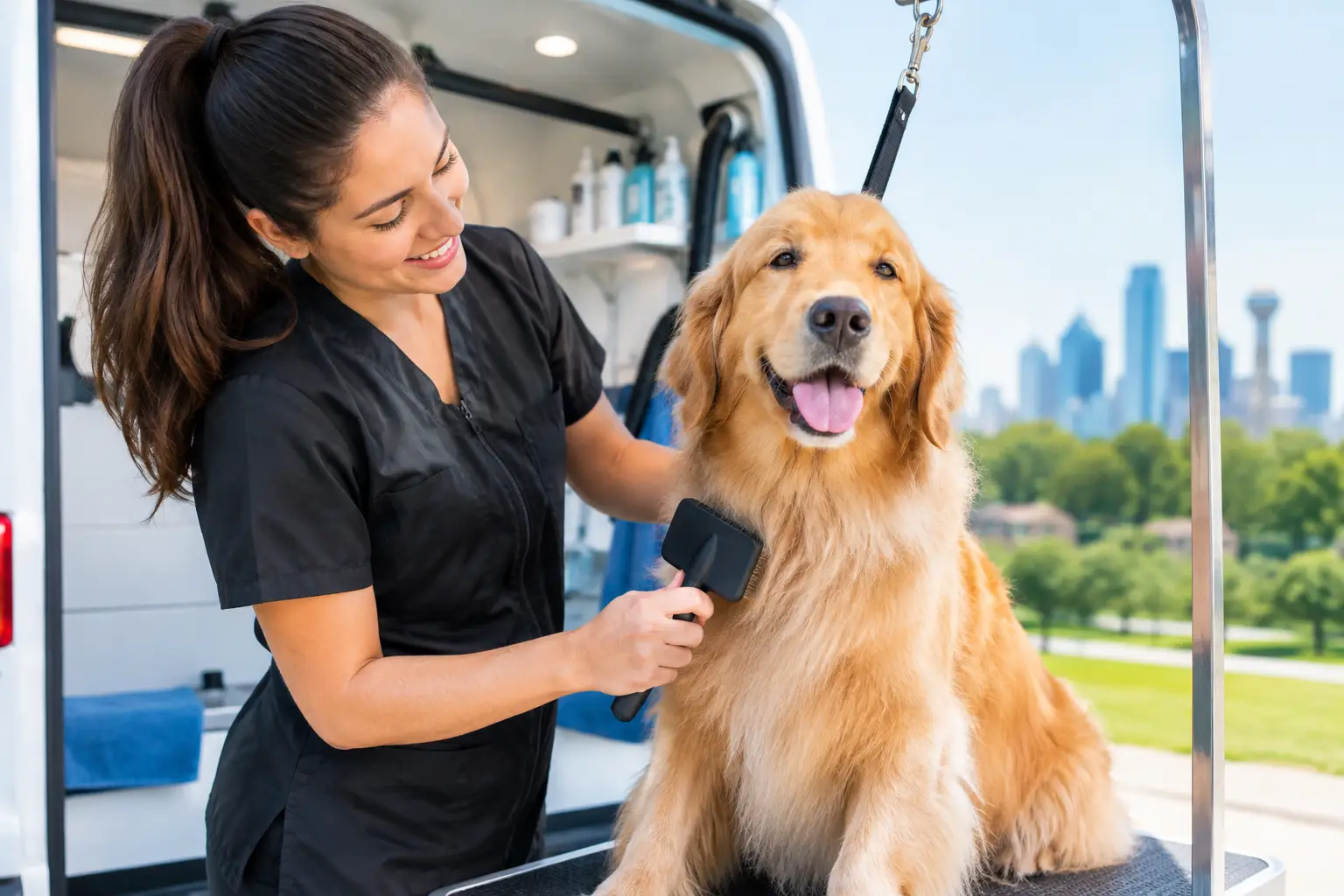
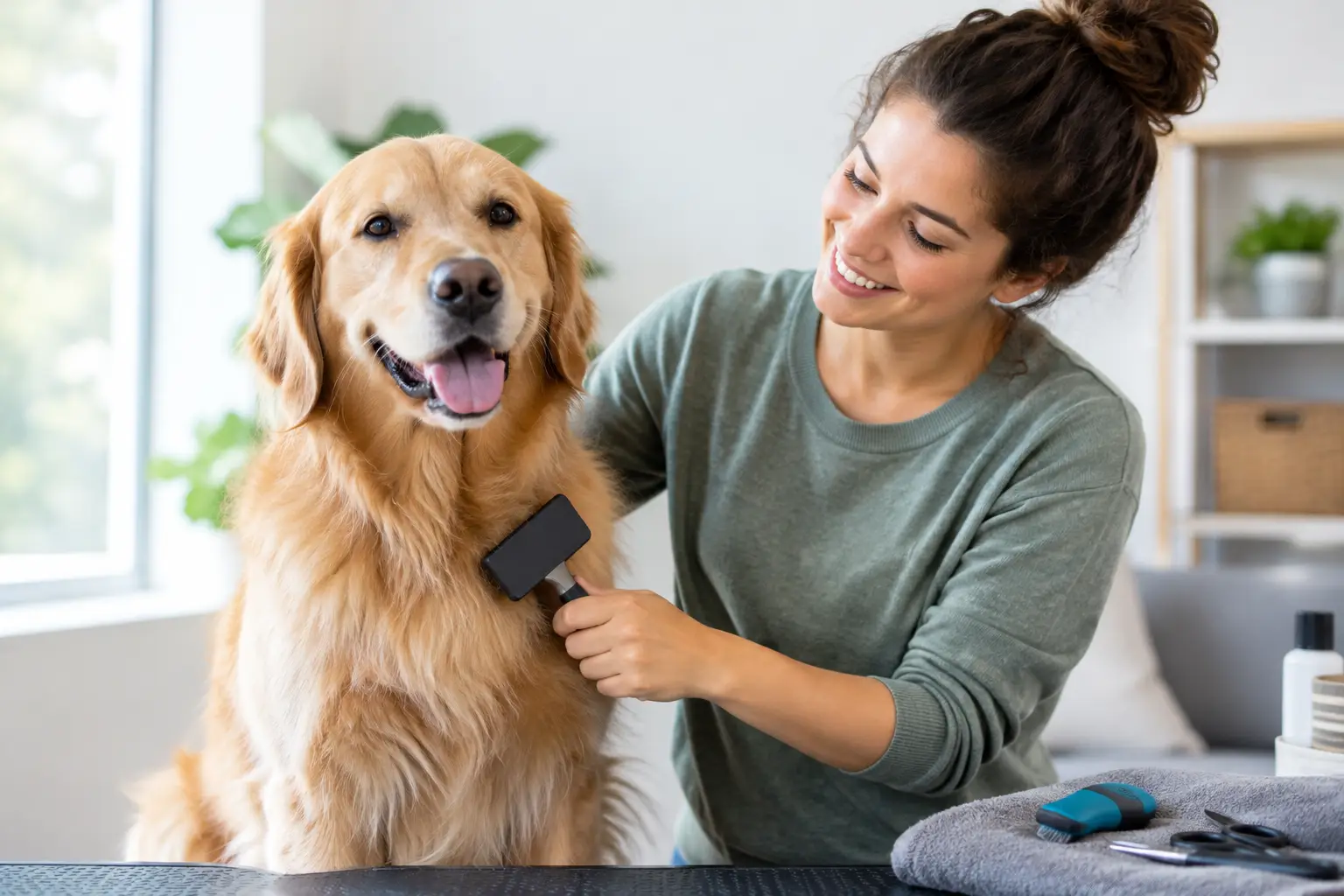
Double-coated breeds such as golden retrievers, Australian shepherds, and huskies need de-shedding, undercoat removal, and careful trimming in specific areas. Shaving these coats too short can interfere with insulation and change regrowth patterns. That is why a summer shave is not always the kindest option, even when it seems practical.
Curly or continuously growing coats, like those on poodles and doodles, need regular clipping and thorough brushing to prevent tight matting close to the skin. These coats can look fluffy on the outside while hiding dense tangles underneath. Without consistent maintenance, what seems like a small issue can become uncomfortable very quickly.
Wire coats, silky coats, and smooth coats each bring their own needs as well. A schnauzer does not benefit from the same finish as a Shih Tzu. A beagle’s grooming routine is much lighter than a bichon frise’s. Matching the process to the coat is what protects both comfort and appearance.
Grooming for comfort, not just appearance
A well-groomed dog looks wonderful, but comfort should always come first. Dogs feel every mat, every tug, every overgrown nail, and every bit of trapped moisture in a neglected coat. Breed-specific care helps prevent those issues before they build into bigger problems.
Take long-eared breeds, for example. Dogs like cocker spaniels and basset hounds may need extra attention around the ears because reduced airflow and trapped moisture can create irritation. Breeds with facial folds or fuller beards may need more consistent cleaning around the mouth and face. Heavy-coated dogs may need seasonal de-shedding to stay more comfortable indoors and out.
Even nail care can vary in importance depending on a dog’s size, posture, and movement. When grooming is tailored to the dog in front of you, the result is not just polished. It supports everyday ease – better traction, cleaner skin, less itching, and fewer hidden trouble spots.
Some breed trims should be adapted
There is a common assumption that breed-specific grooming always means following the show-ring version of a haircut. For household pets, that is not always the right answer.
A classic poodle trim can be stunning, but many owners prefer a practical sporting trim or a softer all-over style that still respects the coat’s needs. A Westie outline can be simplified for easier upkeep. A long-coated Maltese may do better with a shorter pet trim if daily brushing is unrealistic.
This is not a compromise in care. It is thoughtful grooming. The best outcome comes from honest communication about your dog’s routine, age, coat condition, and tolerance for brushing at home. If a dog is matted, elderly, highly active, or sensitive to lengthy appointments, the ideal trim may look different than the textbook version.
That kind of flexibility is especially valuable in a one-on-one grooming setting, where the focus stays on the pet rather than pushing every dog through the same schedule.
Why the grooming environment matters too
Technique matters, but so does the setting. Dogs that are anxious, noise-sensitive, elderly, or easily overstimulated often struggle in busy salons with barking dogs, cages, and long waits. Even the most skilled trim can become a negative experience if the environment overwhelms the pet.
That is one reason personalized grooming has become so important to many families. A calm, quiet appointment with one dog at a time allows the groomer to work with the dog’s temperament while still delivering breed-appropriate care. There is more room to pause, reassure, and adjust.
For dogs that dislike car rides or become stressed in unfamiliar places, mobile grooming can be an especially gentle solution. Instead of adding travel, waiting rooms, and separation stress to the day, the service comes to the home. For many pets, that change alone makes regular coat care more manageable.
How often dogs need breed specific grooming
There is no universal grooming schedule, even within the same breed. Coat texture, lifestyle, and home maintenance all affect timing.
A doodle on an eight-week schedule may do beautifully if brushed properly between visits. Another doodle with a denser coat may need appointments every four to six weeks. A Labrador may only need routine bathing, brushing, nail care, and seasonal de-shedding, while a Shih Tzu usually needs more frequent face, feet, and sanitary maintenance.
The right schedule should feel preventive, not reactive. If you are waiting until the coat mats, nails click loudly on the floor, or the dog becomes visibly uncomfortable, appointments are too far apart. Regular grooming keeps the dog feeling better and often makes each visit easier.
What pet parents should ask for
You do not need to know every grooming term to get the right care for your dog. What helps most is giving clear information. Share your dog’s breed, age, coat history, any skin sensitivity, and how much brushing happens at home. Let the groomer know if your dog gets nervous, dislikes dryers, or struggles with handling around the feet or face.
Then ask practical questions. Is this trim right for my dog’s coat type? How can we keep the coat easier to maintain? Is the current schedule working? Are there areas that need extra attention between appointments?
A strong groomer will guide you without making the process feel complicated. They should be able to explain why a certain trim, brushing plan, or visit frequency makes sense for your dog specifically.
At V-GROOM, that personalized approach is part of the experience. Dogs are groomed one-on-one in a calm, premium setting designed to reduce stress while delivering the coat-specific care they need.
The real value of grooming by breed
Breed-specific grooming is not about perfection or vanity. It is about reading the dog correctly. It respects how that coat grows, what that skin needs, and what kind of handling will help the dog stay calm and comfortable.
When grooming is done well, you can see it and your dog can feel it. The coat sits better. The skin stays cleaner. Shedding becomes more manageable. Daily upkeep gets easier. Most importantly, your dog moves through the day with less discomfort and less stress.
A good haircut can make your dog look polished. The right grooming plan helps them feel cared for in a way that lasts well beyond the appointment.
One Response